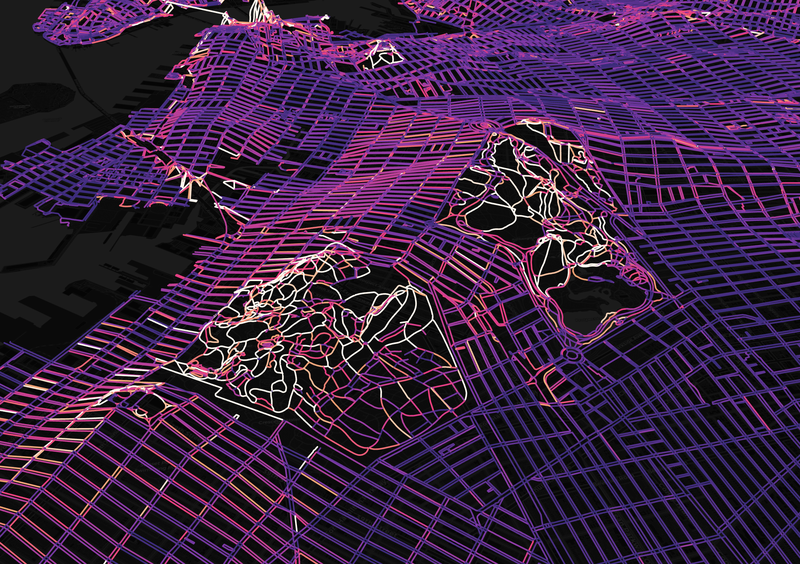
Gridnberg
Gridnberg is a topography-aware pedestrian routing dataset and application for New York City. It adds elevation to the NYCWalks network and compares distance-only, comfort-oriented, and accessibility-sensitive routing scenarios.
Gridnberg is a topography-aware pedestrian routing dataset and application for New York City. It adds elevation to the NYCWalks network and compares distance-only, comfort-oriented, and accessibility-sensitive routing scenarios.
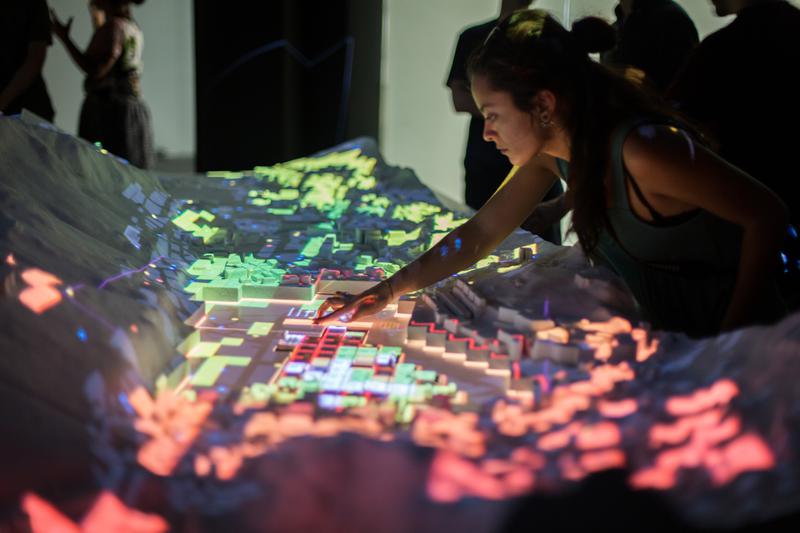
Looking beyond smart cities
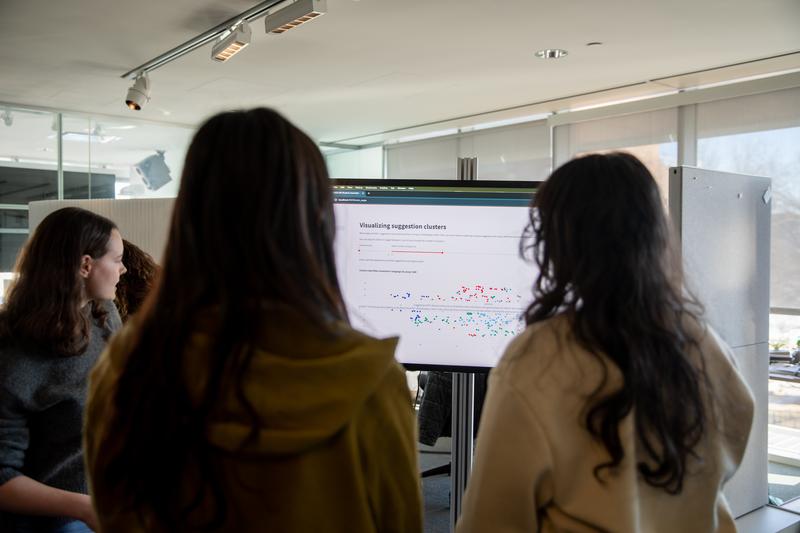
Prototyping a better future for communication through human-led, AI-assisted systems for collective listening, understanding, and action

Exploring the essence of code as a creative medium
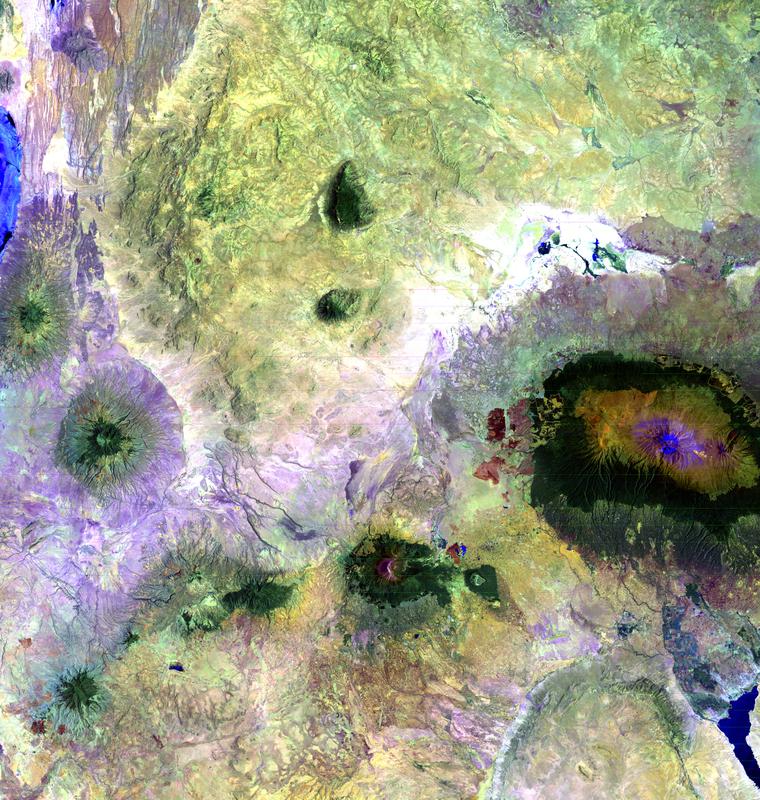
Advancing justice in Earth's complex systems using designs enabled by space
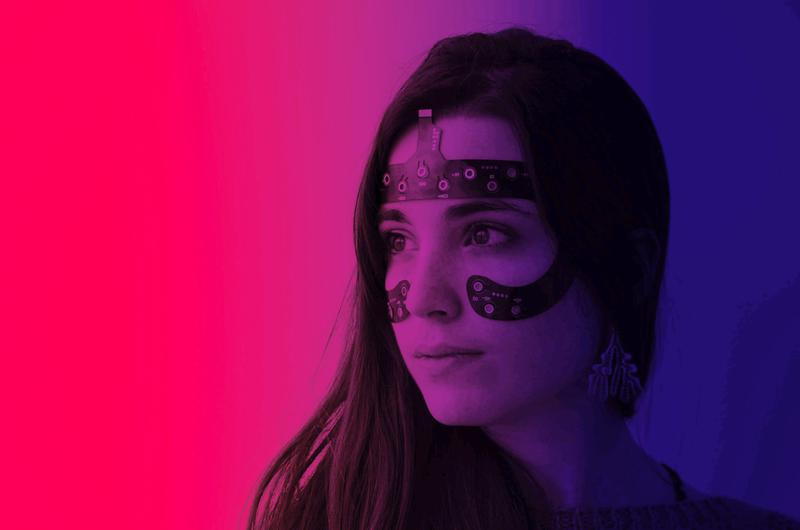
Designing Systems for Cognitive Augmentation

Urban areas are responsible for 70% of global GHG emission, and must play a central role in solutions to global warming. Using Kendall Square as a case study, this simulation shows how collective decisions can dramatically lower carbon emissions while improving the social and economic performance o…
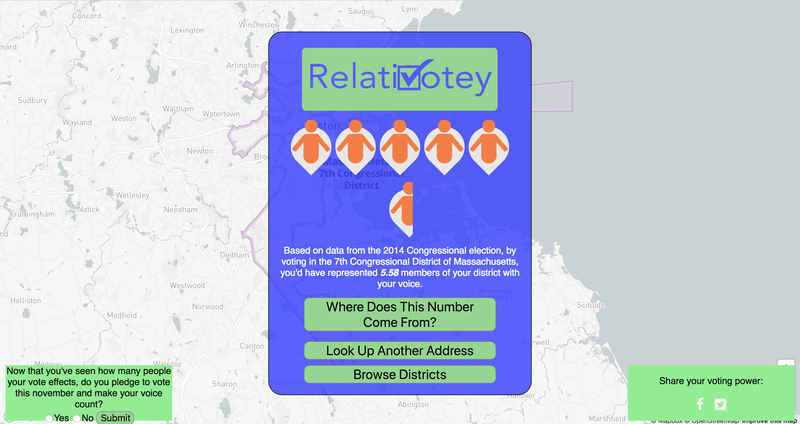
Many people think their vote doesn't count—that a single vote would not change an election's outcome—and they stay home on Election Day. However, your vote is a public statement of beliefs, amplified because many people in your voting district may agree with you, but do not (and in many cases canno…
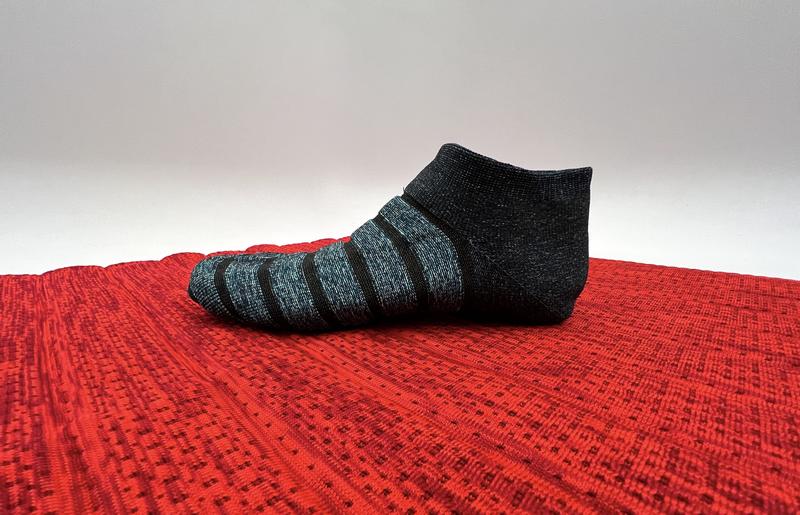
Three-dimensional Digital Knitting of Intelligent Textile Sensor for Activity Recognition and Biomechanical MonitoringWe present an approach to develop seamless and scalable piezo-resistive matrix-based intelligent textile using digital flat-bed and circular knitting machines. By combining and cust…
City Science researchers are developing a slew of tangible and digital platforms dedicated to solving spatial design and urban planning challenges. The tools range from simulations that quantify the impact of disruptive interventions in cities to communicable collaboration applications. We develop …

Advancing human wellbeing by developing new ways to communicate, understand, and respond to emotion
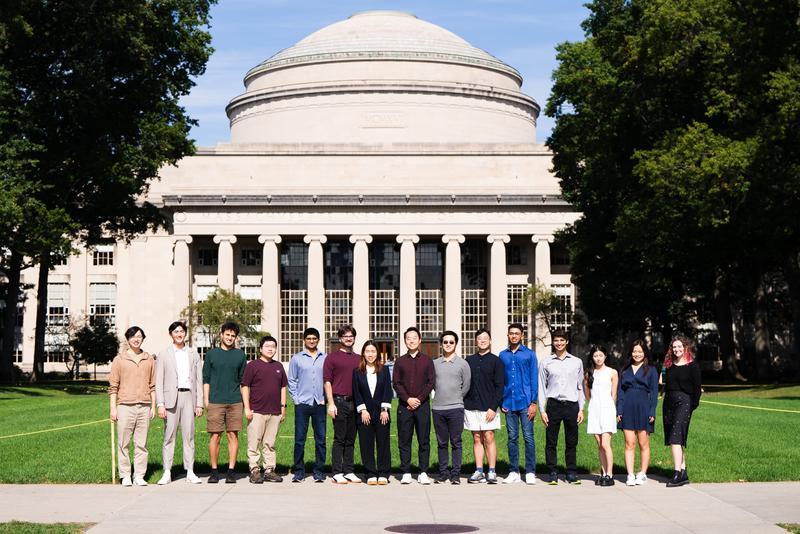
Creating human-AI symbiosis across scales and sensory mediums to enhance productivity, creativity, and wellbeing
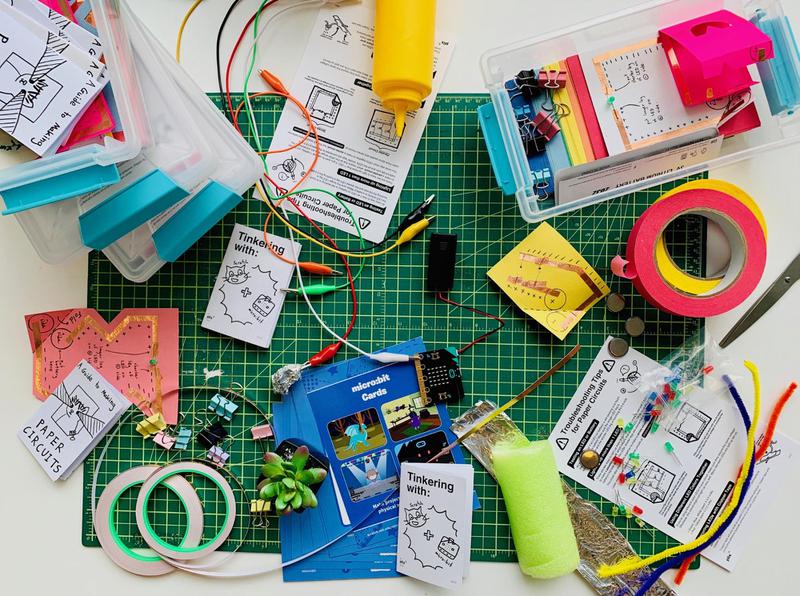
Public libraries are one of most trusted public institutions in the U.S. and increasingly provide a broad range of education services, ranging from early learning programs, to makerspaces, to adult training. Libraries are not storage places for books, but community hubs for social change and innova…
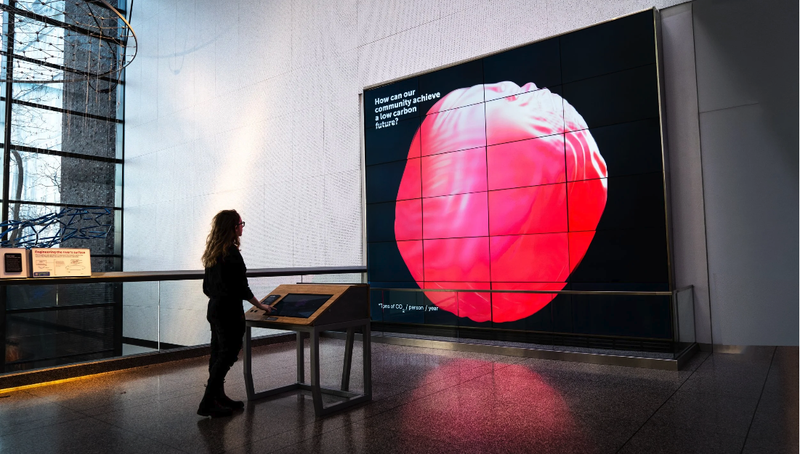
How can exhibitions bring complex urban futures to broader, non-expert communities?City Science exhibitions translate research into rich public experiences—inviting global audiences to explore possible urban futures through interactive storytelling and immersive environments.In addition to publishi…
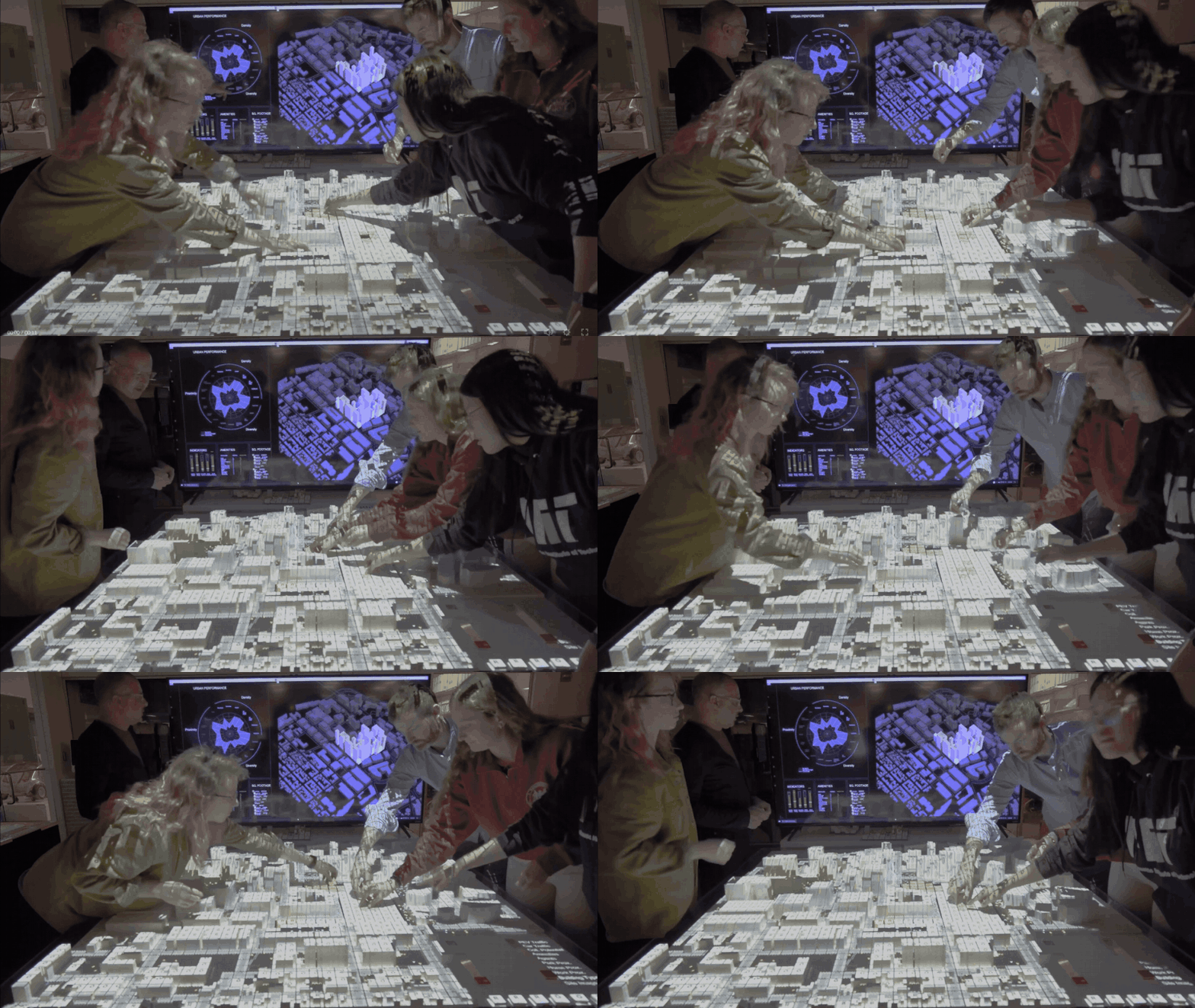
How can urban residents reach a shared vision of the future?Many excellent and potentially transformative ideas fail to be deployed in cities due to a lack of consensus. Complex, nuanced issues are often reduced to binary choices, leaving stakeholders without a structured process to make informed, …

Andorra and the City Science research group at the MIT Media Lab are taking on the challenge of turning Andorra into an “Internationally Recognized Intelligent Country.” The Andorra Living Lab project combines different research topics (tourism, innovation, energy and environment, mobility, dynamic…
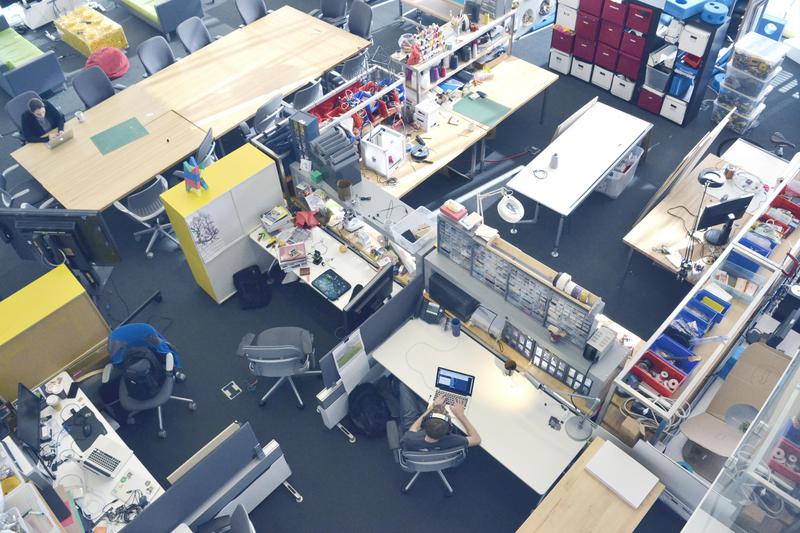
Engaging people in creative learning experiences
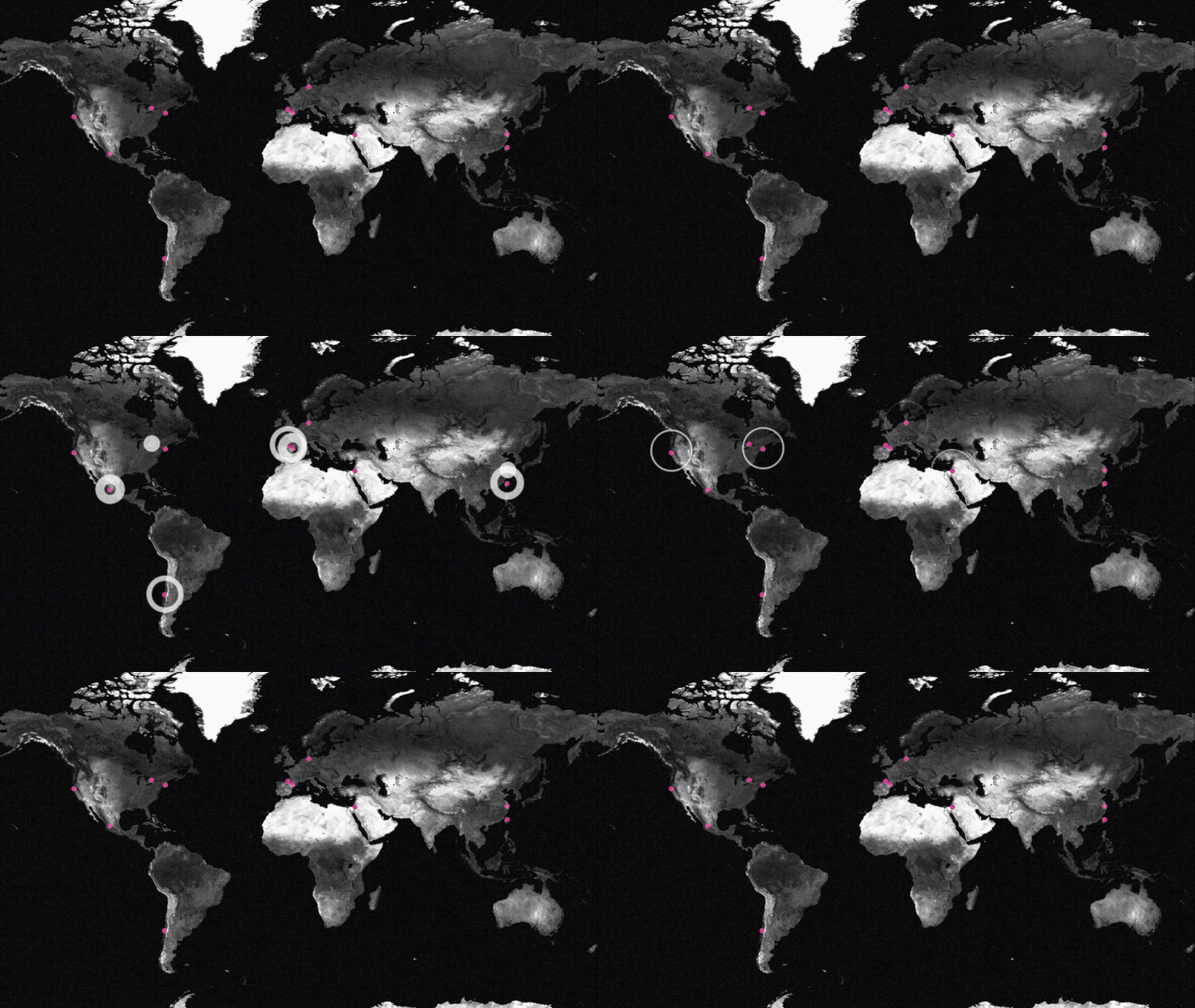
MIT City Science has developed an international network of cooperative City Science LabsFounded a decade ago, the City Science Network connects a growing constellation of sister labs around the world. These labs share a common framework for data analysis, design experimentation, simulation, and civ…
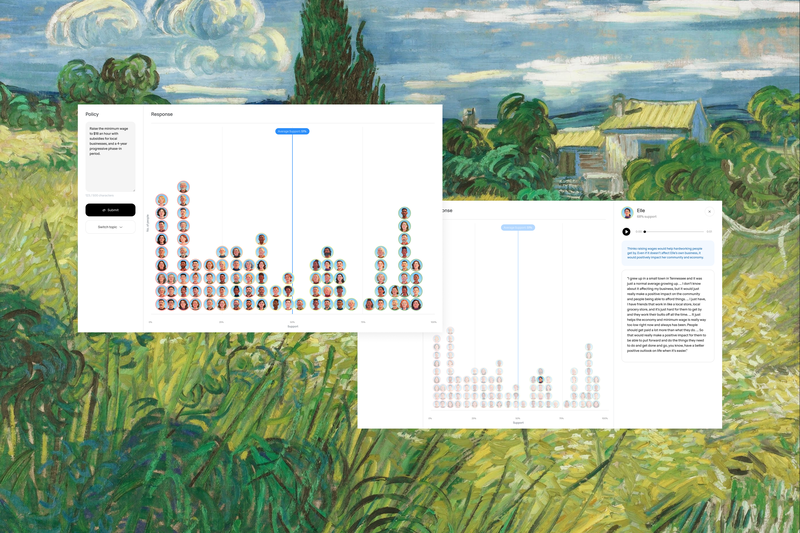
Agora is a training ground to help people practice building consensus by drafting and revising policies based on feedback from a population of AI personas. Civic competence—the ability to navigate disagreement, weigh values, and reach collective decisions—is a learned skill, not an innate trait. Bu…

How can we serve 2.5 billion people without access to centralized infrastructure for basic services?By 2050, more than 2.5 billion people are expected to live in informal settlements — communities often built on the margins of cities, beyond the reach of conventional infrastructure. These neighborh…
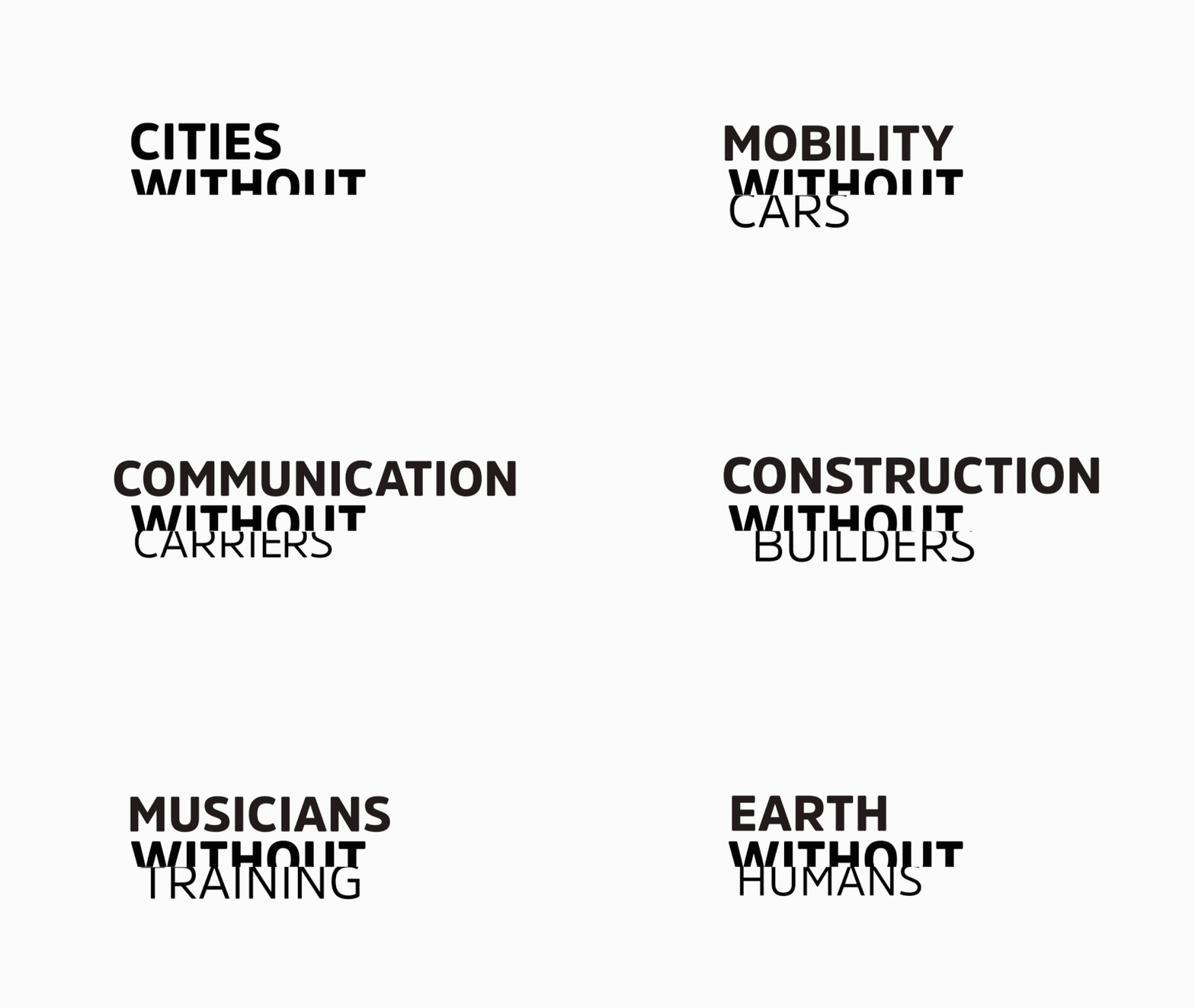
The Power of WITHOUT is a research theme in the City Science group. The theme proposes that heavy infrastructure solutions are not financially feasible and cannot meet the needs of rapidly urbanizing communities. Instead, we must research and propose new lightweight and decentralized solutions to s…
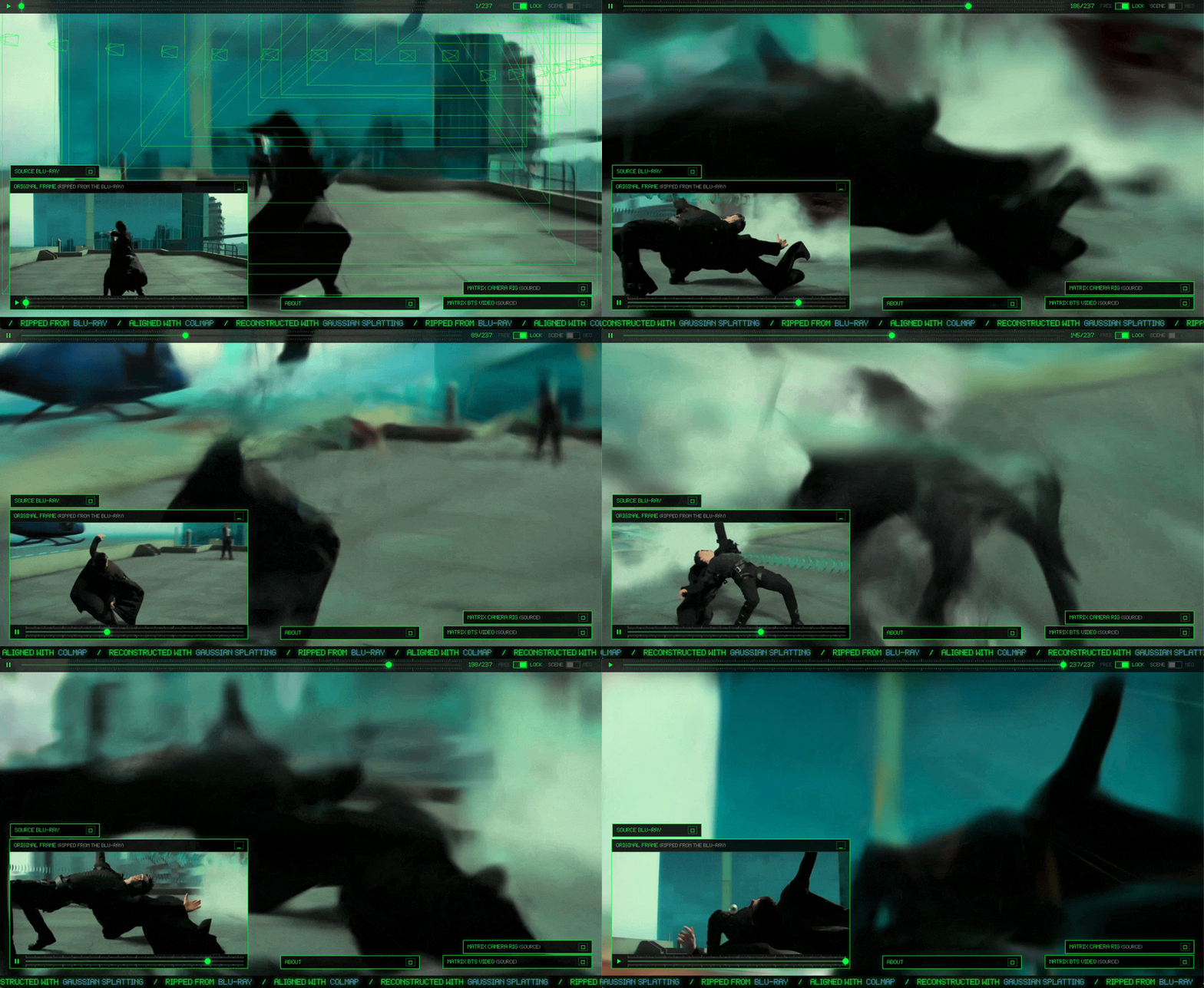
A Gaussian splat reconstruction of 237 frames of the bullet time sequence from The Matrix (1999). A roundtrip from CGI to celluloid and back to CGI.
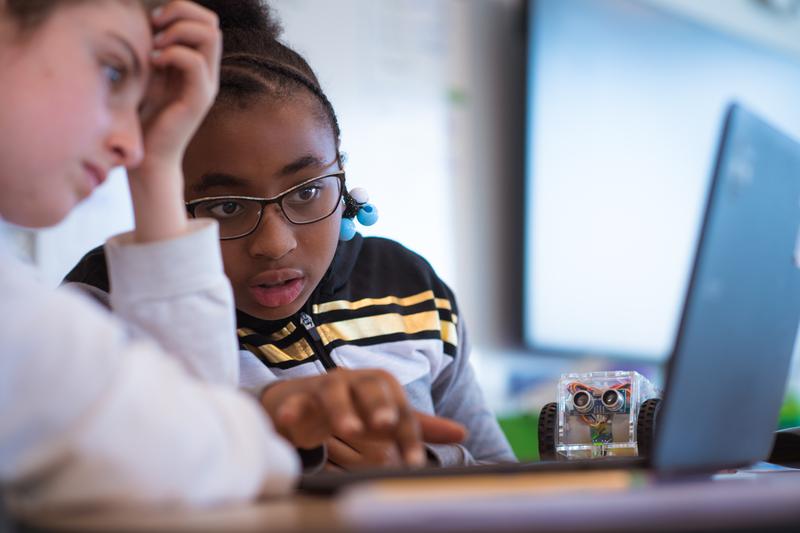
Life with AI | Designing the future of smart systems to improve the human experience
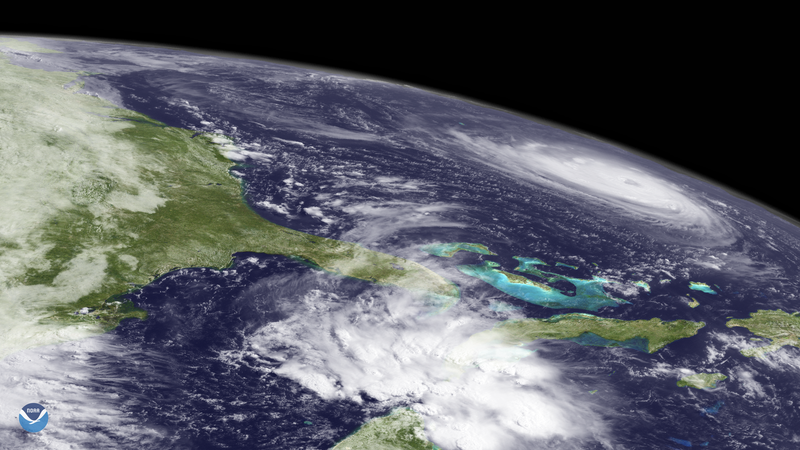
Future Worlds | Design and action for the future we want to live in