WHx
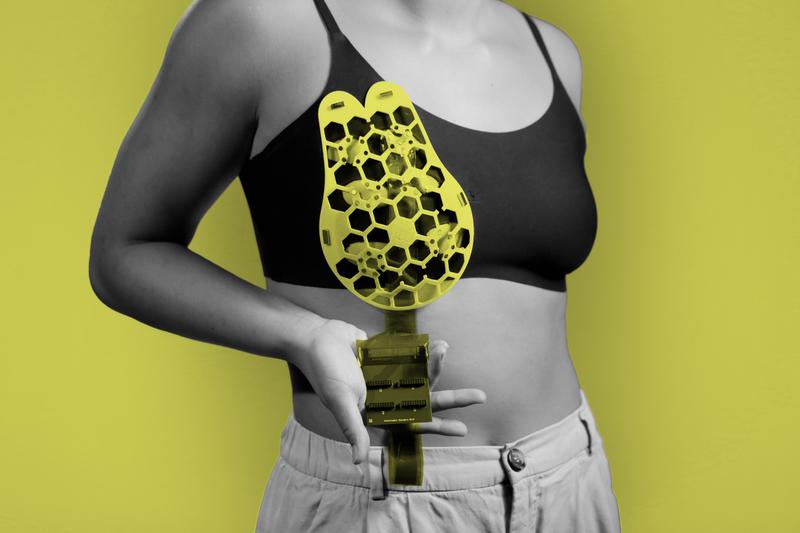
WHx Program: Unlocking women's health through transformative technologies
WHx Program: Unlocking women's health through transformative technologies
Designing Systems for Cognitive Augmentation

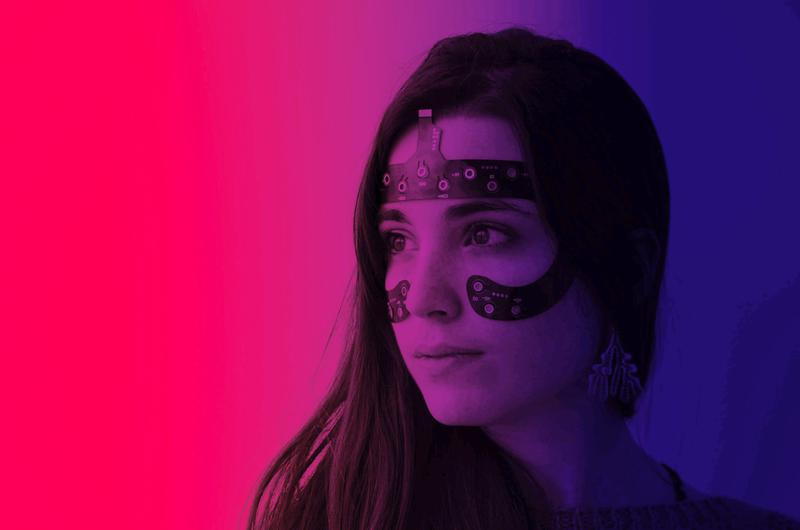
Advancing human wellbeing by developing new ways to communicate, understand, and respond to emotion
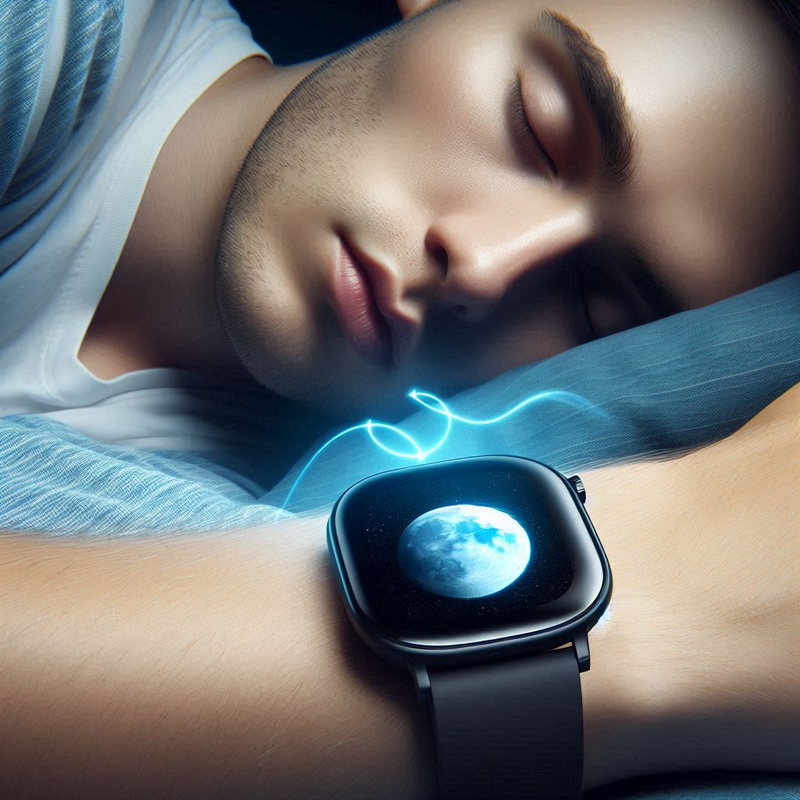
Our sleep improvement app is now available for Android watches. Click here to try it!Sleep++ aims to improve sleep quality by stimulating the brain to enter deep sleep. Currently, insufficient and poor quality sleep represents a major health burden. Poor sleep is associated with a wide range of dis…
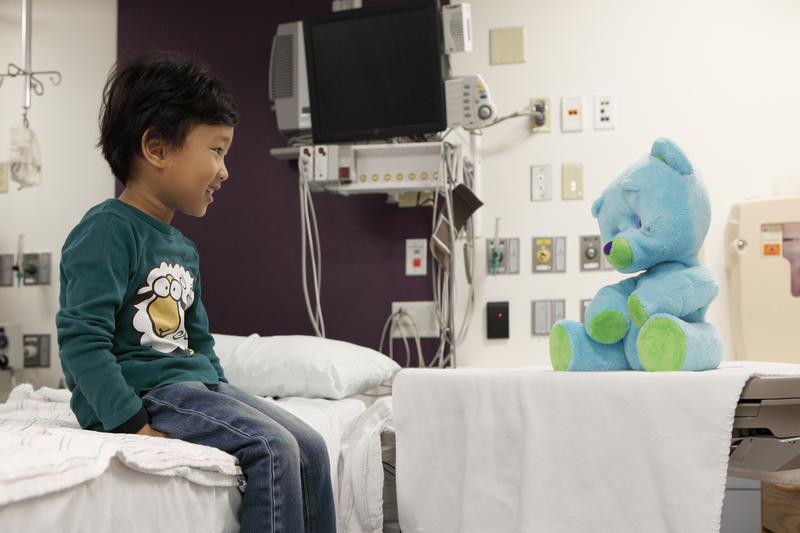
Building intelligent personified technologies that collaborate with people to help them learn, thrive, and flourish.
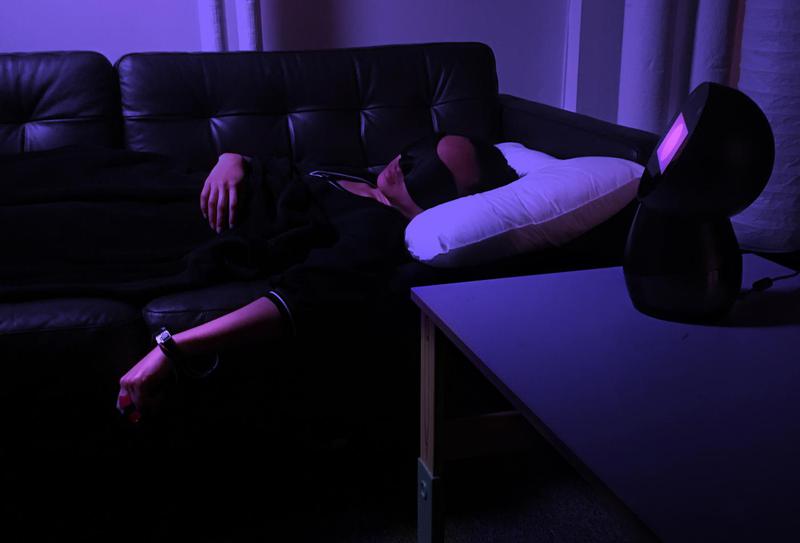
We build technologies that interface with the sleeping mind. We track different sleep-stages using brain activity, muscle tension, heart rate, and movement data and issue sleep based interventions using scent, audio, and electrical stimulation to affect sleep onset, sleep stages, sleep quality, an…
Dream engineering, pioneered at the MIT Media Lab, is named the most powerful idea of the 21st century by BBC Science Focus experts.

Targeted dream incubation (TDI) is a methodology for guiding (or “incubating”) dreams towards specific themes. Please read the FAQ below to learn more about TDI.We engineered a device to carry out TDI called Dormio. We recently published a study using TDI to understand the link between dreaming and…
Study from the Fluid Interfaces exploring dreams was referenced by TIME magazine.
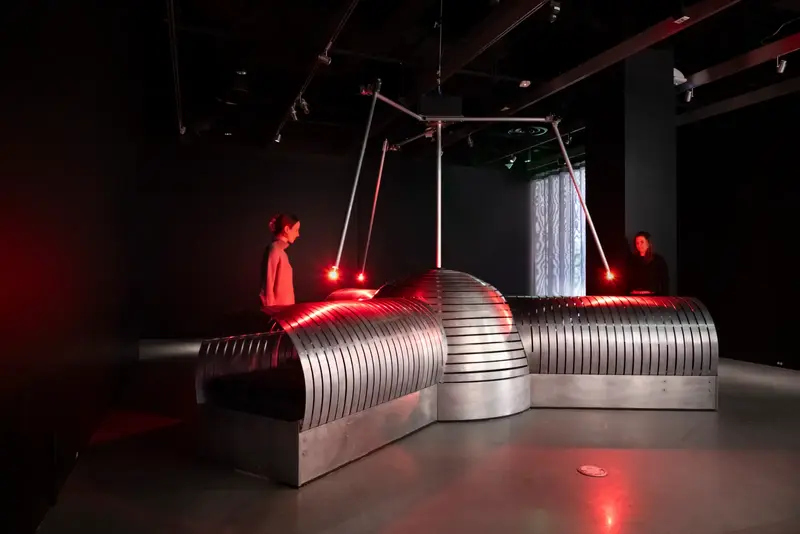
Media Lab alum Adam Haar Horowitz and his work mentioned in the Vogue article.
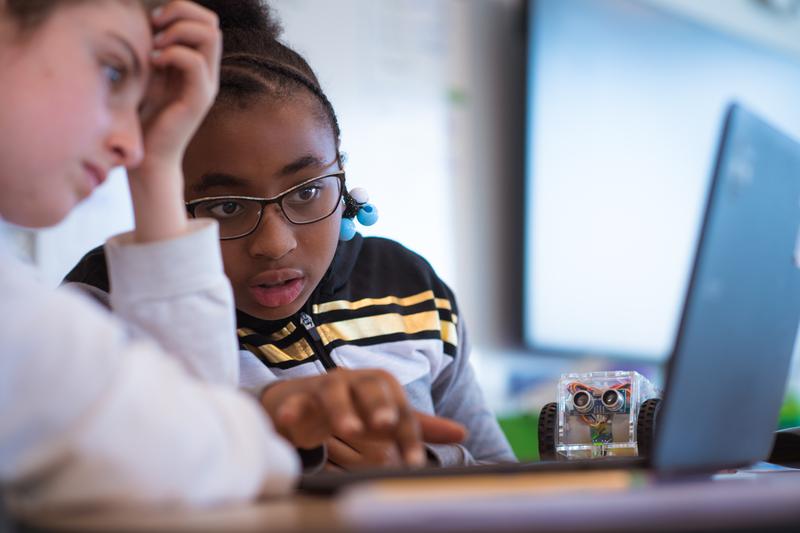
Life with AI | Designing the future of smart systems to improve the human experience
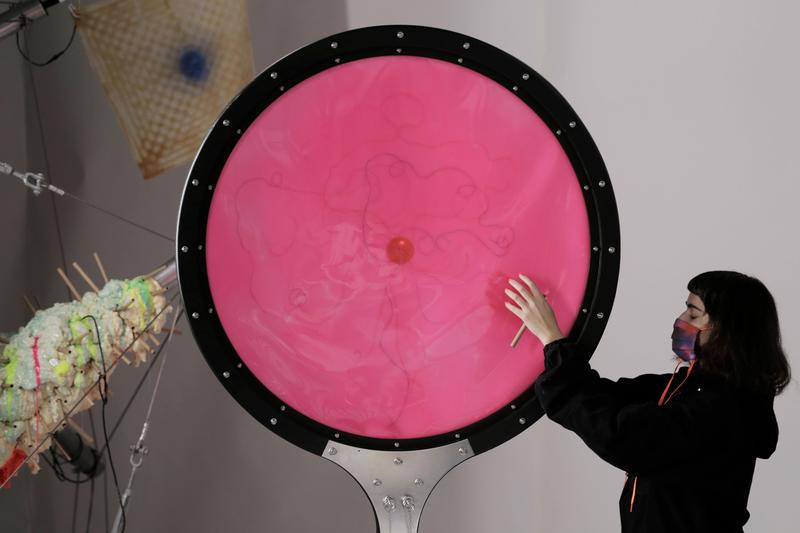
Cultivating Creativity | Catalyzing a global movement enabling everyone to unlock and unleash their individual and collective creativity
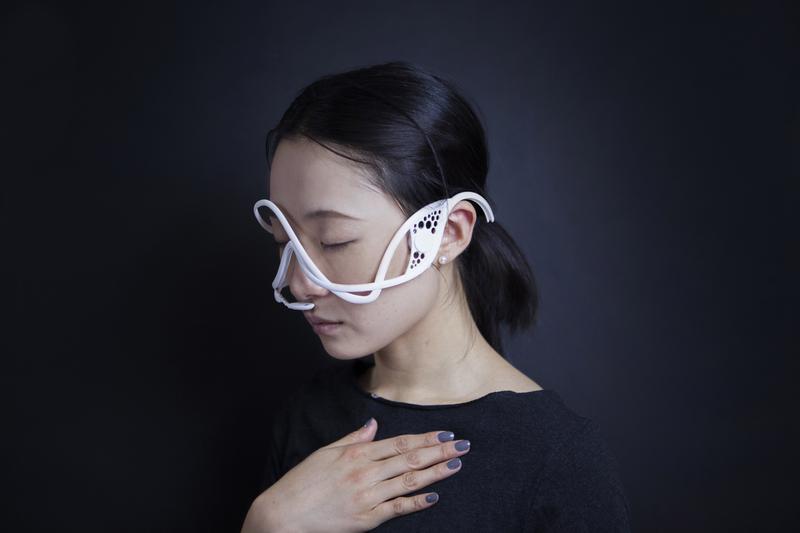
Connected Mind + Body | Revolutionizing the future of mental and physical wellbeing

Discover how MIT's Adam Horowitz and the Fluid Interfaces group use dream engineering and sleep science to boost creativity and cognition.
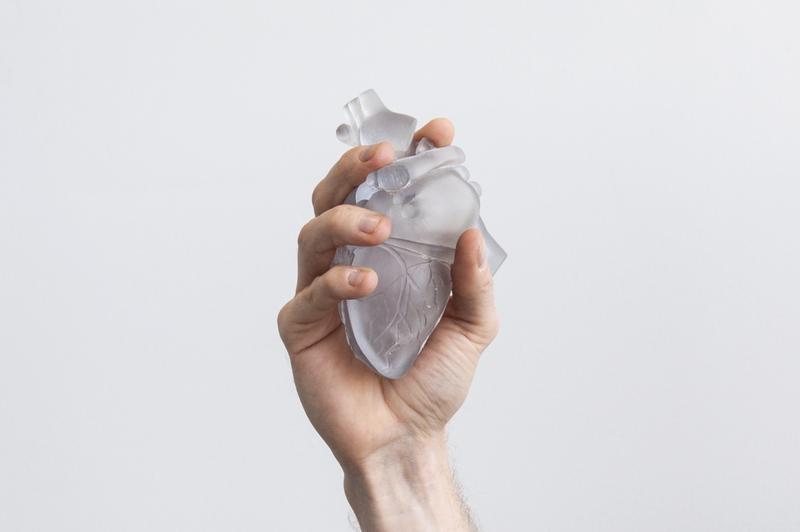
We develop systems that support health and wellbeing, with a special focus on mental health. We design, study and apply technologies such as artificial intelligence, wearable technologies, and brain-computer interfaces to promote emotional regulation, stress resilience, improved social connection,…
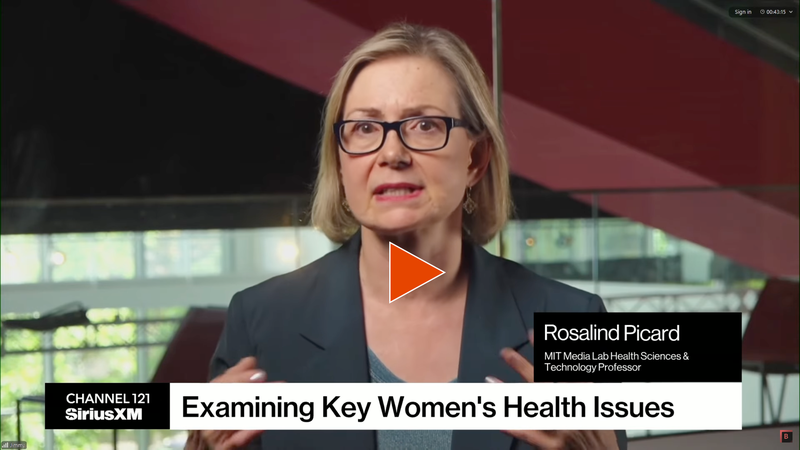
MIT’s Rosalind Picard: Wearables can revolutionize women’s health, yet today’s devices reflect just a fraction of the potential.

By establishing correlations between sleep parameters and wellbeing indicators, our project hopes to further understanding of fluctuations in wellbeing and inform the development of wearables that monitor sleep patterns. We begin by identifying the impact of different combinations and transformatio…
Dr. Nathan Whitmore is working on a revolutionary project to boost sleep quality, performance, and memory.
Elemind, founded by researchers from MIT, has developed a headband that uses acoustic stimulation to move people into a sleep state.
Alum Adam Haar and artist Carsten Höller talk about the Dream Hotel—a collaboration that began with Höller’s 2021 MIT CAST residency.
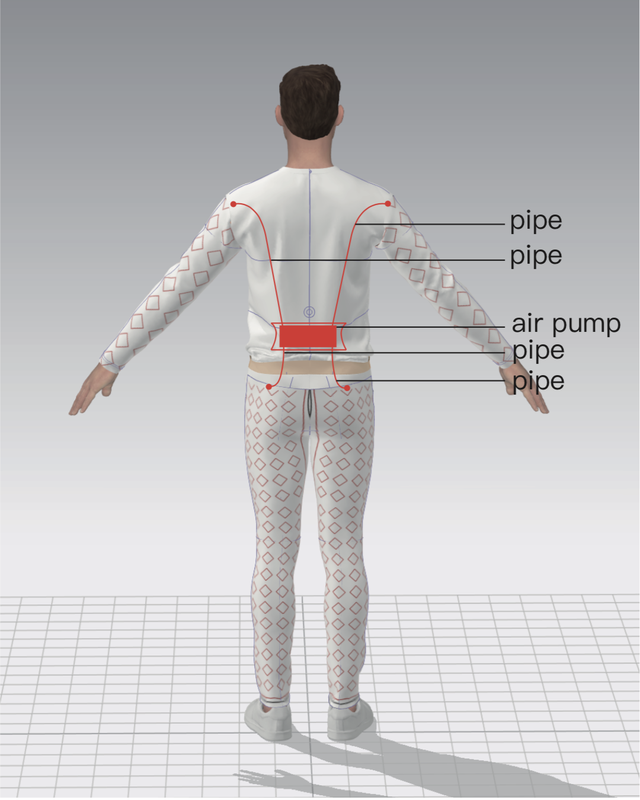
We are working with MIT CAST Visiting Artist Carsten Höller to build prototypes for a Dream Hotel museum exhibition which will translate experiments from the sleep neuroscience lab into the artistic context. See documentation and description of our project at the Center for Art, Science and Techno…
The Smart Pillow developed by DeRUCCI (a Media Lab member company) was recently featured on NPR's Wait Wait Don't Tell Me. Listen to the episode clip below!
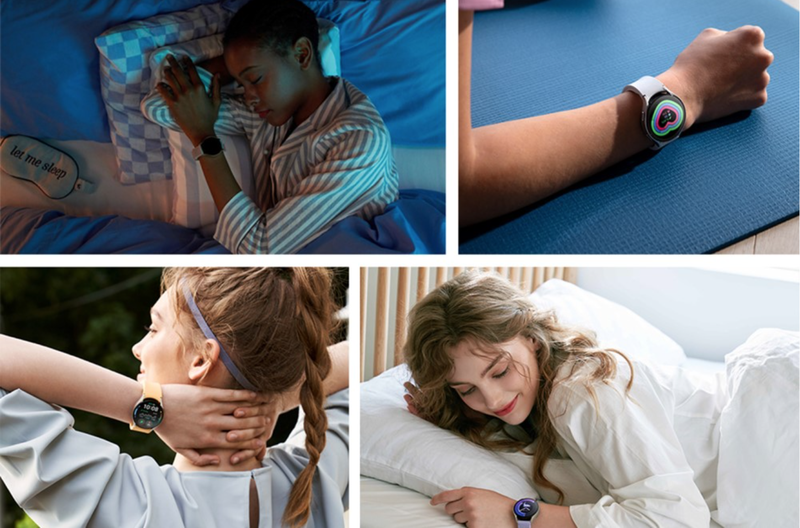
In honor of World Mental Health Day, Samsung is emphasizing its collaboration with the MIT Media Lab to explore the mind-body connection, a core theme of the Lab's "Connected Mind + Body" research focus. In recognition of World Mental Health Day, Samsung is spotlighting its work with the MIT Media …
On the ACM ByteCast, Professor Rosalind Picard and host Scott Hanselman talk about her work in the Media Lab's Affective Computing group.