Camera Culture
Making the invisible visible–inside our bodies, around us, and beyond–for health, work, and connection
Making the invisible visible–inside our bodies, around us, and beyond–for health, work, and connection
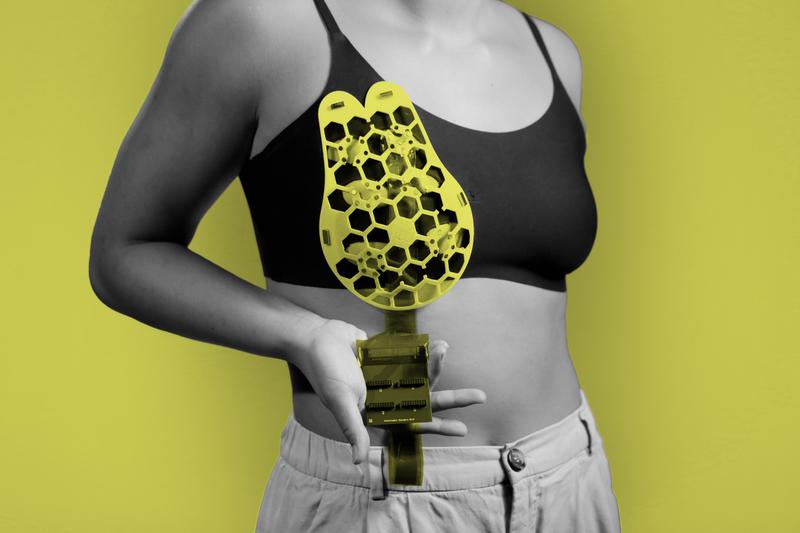
WHx Program: Unlocking women's health through transformative technologies
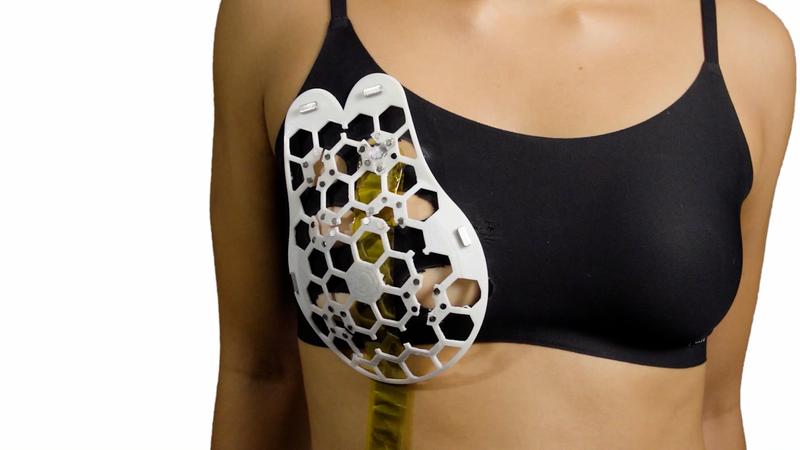
Ultrasound is widely used for tissue imaging such as breast cancer diagnosis; however, fundamental challenges limit its integration with wearable technologies, namely imaging over large-area curvilinear organs. We introduced a wearable, conformable ultrasound breast patch (c…
Converting the patterns of nature and the human body into beneficial signals and energy

Humans can accurately sense the position, speed, and torque of their limbs, even with their eyes shut. This sense, known as proprioception, allows humans to precisely control their body movements. Today’s conventional prosthetic limbs do not provide feedback to the nervous system. Because of this, …

Hyeokjun Yoon, a PhD student in Conformable Decoders group, received the 2nd Place Poster Award at the 2026 Gordon Research Conference on In Vivo Ultrasound Imaging for his presentation, “Portable, real-time 3D ultrasound for operator-independent breast imaging.”The Gordon Research Conferences (GRC…
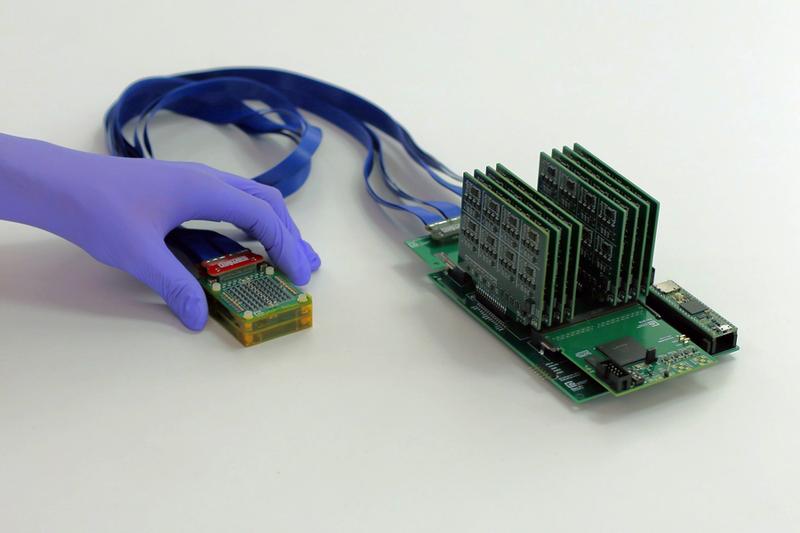
MIT Media Lab researchers developed a portable ultrasound sensor for earlier breast cancer detection, expanding access to screening.

Life with AI | Designing the future of smart systems to improve the human experience

Future Worlds | Design and action for the future we want to live in
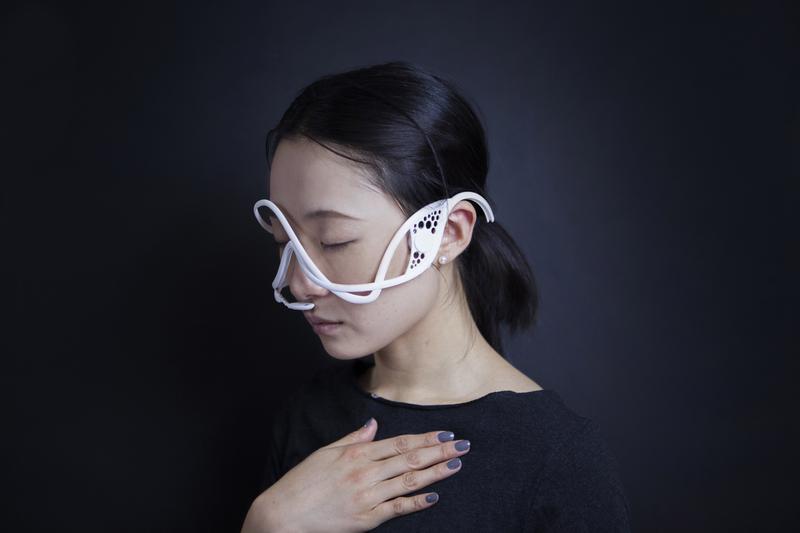
Connected Mind + Body | Revolutionizing the future of mental and physical wellbeing
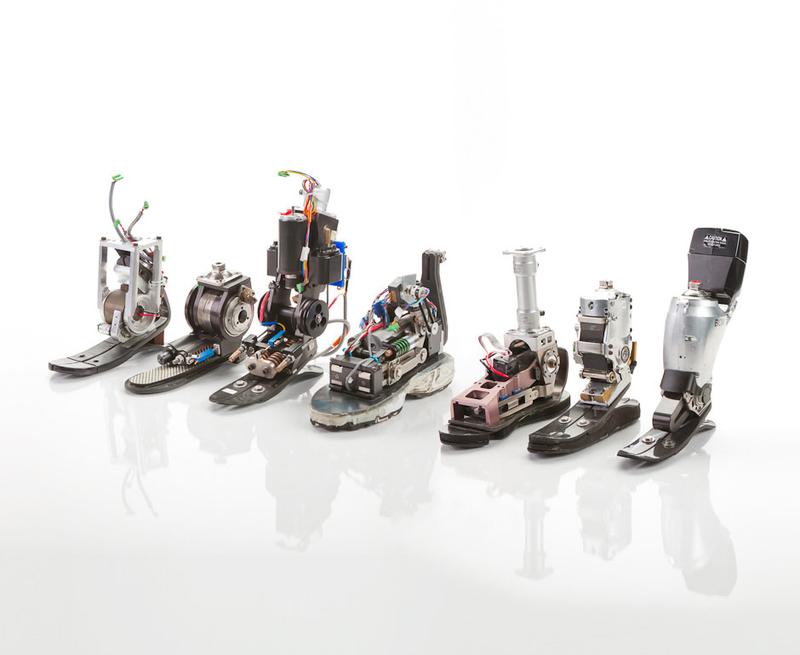
Enhancing human physical capability
Facemasks are used to reduce exposure to viruses and other environmental hazards such as air pollution, and integrating wearable electronics into facemasks could provide valuable insight into personal and public health. However, relevant wearable devices are typically designed only to monitor biolo…
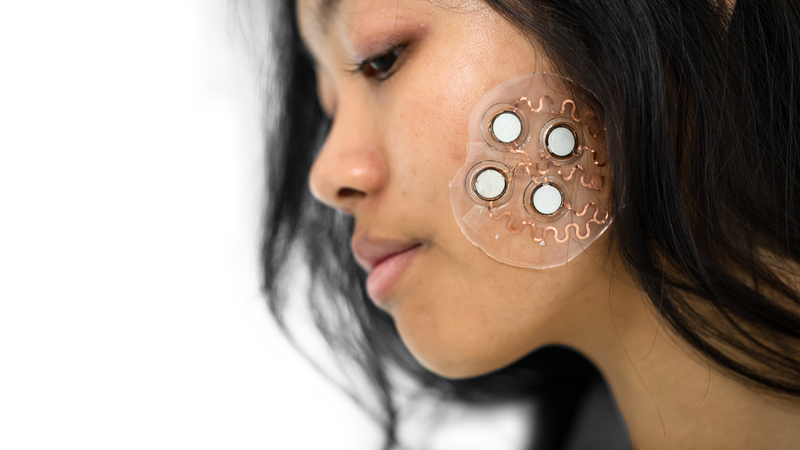
Ultrasound-induced transdermal drug delivery (sonophoresis) has long lingered in the by-lanes of academic and industrial research, and has failed to attain tangible commercial success. While localized, needleless delivery of drugs is an exciting prospect, the bulky, power-consumptive equipment and …
Canan Dagdeviren talks to Sharon Kedar about the latest generation of the wearable ultrasound scanner Conformable Decoders is developing.

The new imaging method is based on expansion microscopy, which was developed in Professor Ed Boyden’s lab in 2015.
Inspired by her aunt’s battle with cancer, Canan Dağdeviren developed a wearable ultrasound monitor that can screen women between checkups.

Professor Dagdeviren was recognized for her work developing a wearable ultrasound patch for early breast cancer detection.
Prof. Canan Dagdeviren talks to Boston 25 News about a wearable ultrasound device that could help detect early-stage breast cancer.
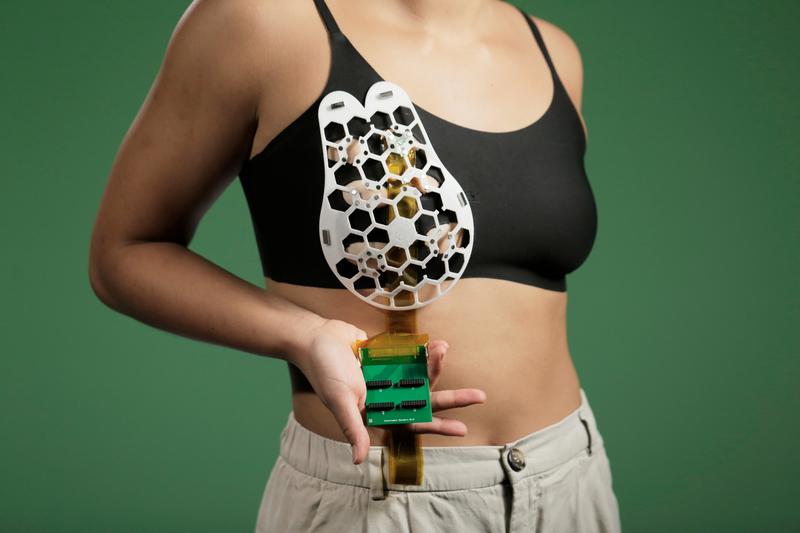
The new device, which can be incorporated into a bra, could allow more frequent monitoring of patients at high risk for breast cancer.

Health 0.0

General overview:Sepsis, a life-threatening complication of bacterial infection, leads to millions of worldwide deaths requires significant time and resources to diagnose. This disease is associated with very high mortality rates, making early detection crucial for treatment. Researchers have inves…
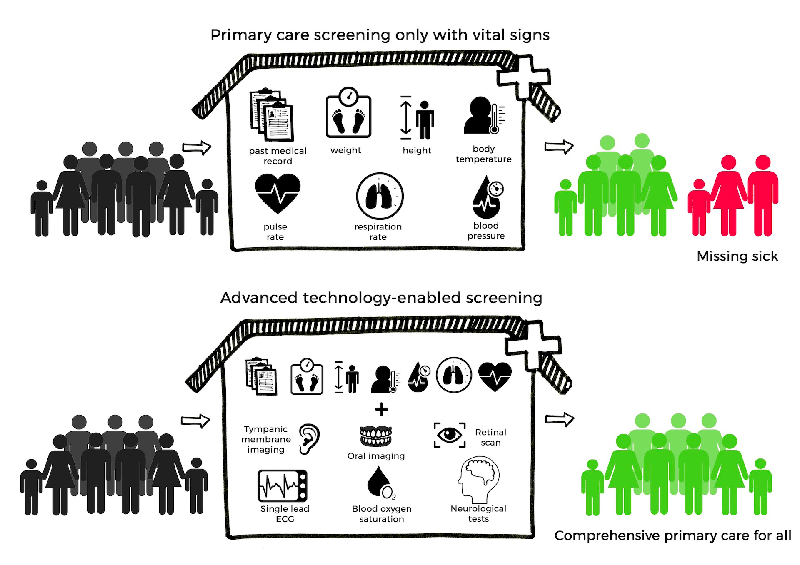
Dr. Shah and his research lab at MIT has significant expertise and motivation to bring problems from the clinic and society into the laboratory to develop novel bioengineering solutions and perform real world prospective clinical evaluations. For example, in a study led by Dr. Shah, in collaboratio…
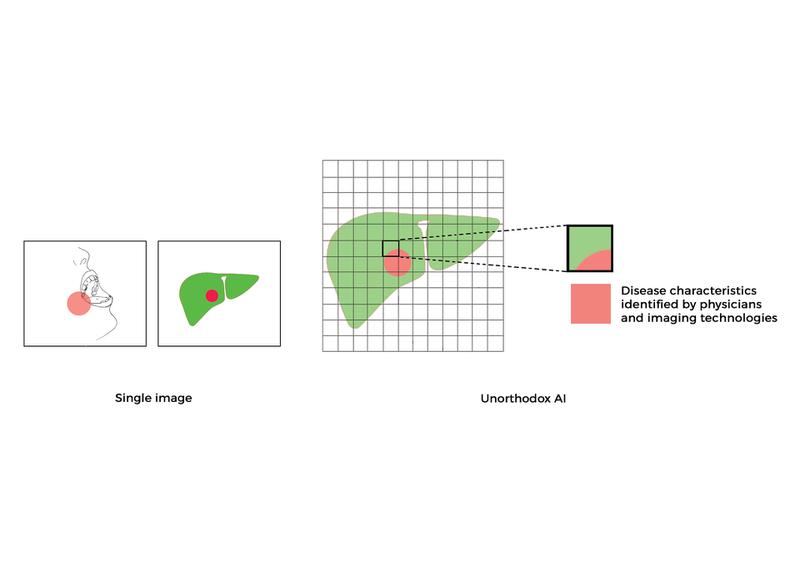
Research studies led by Dr. Shah in his laboratory have created new paradigms for using low-cost images captured using simple optical principles for point-of-care clinical diagnosis, and reducing dependence on specialized medical imaging devices, biological and chemical processes . Recent peer-rev…