Skip to content

Research: Projects

Projects

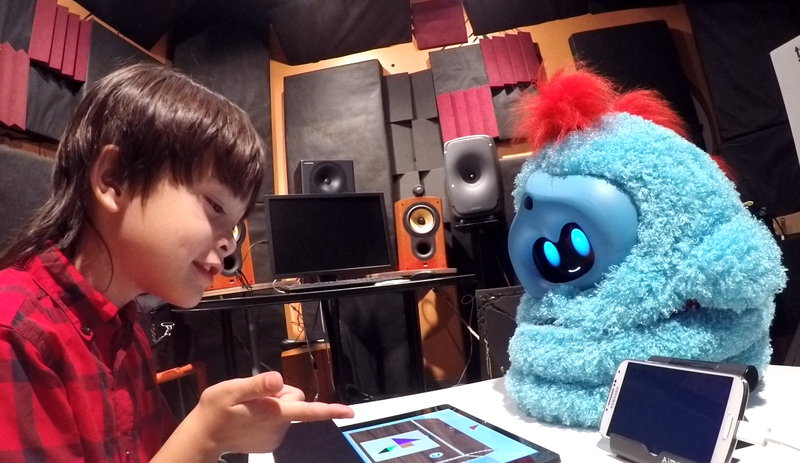
  • Social Robots for Social-Emotional Learning for Arabic Speakers

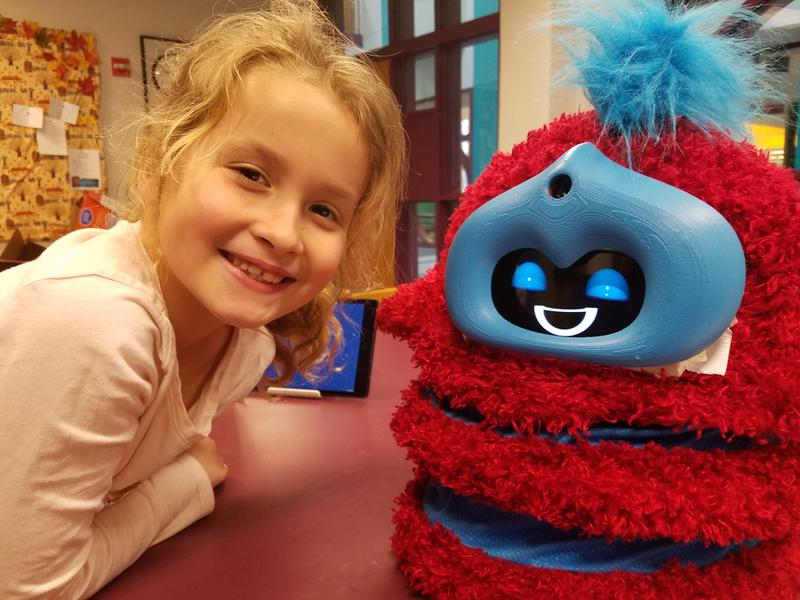
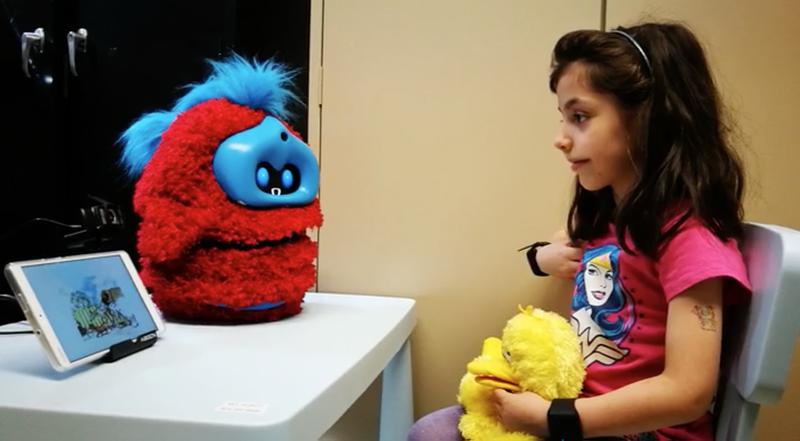
    This project aimed at enhancing the social-emotional and educational experiences of Arabic-speaking refugee children. The project leverages advanced Artificial Intelligence (AI) technology to be integrated to our social robot platform, that is designed specifically for Arabic-speaking refugee child…
    Personal Robots

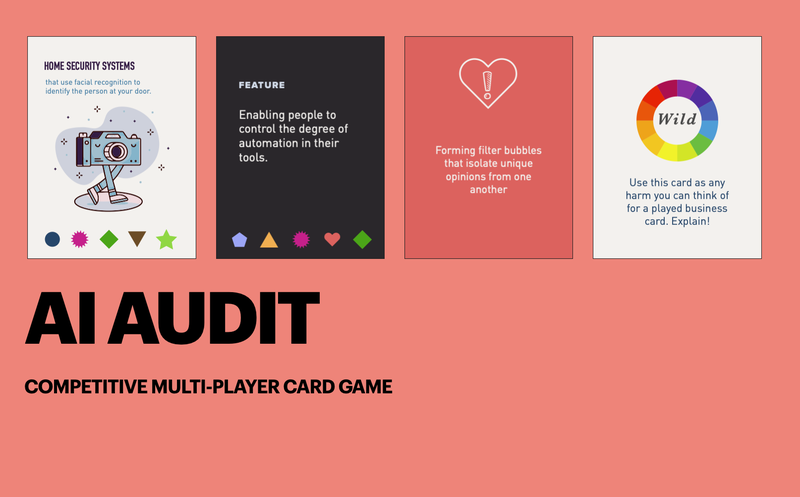
  • AI Audit: A Card Game to Reflect on Everyday AI Systems

    AI Audit: AI Ethics Literacy

    An essential element of K-12 AI literacy is educating learners about the ethical and societal implications of AI systems. Previous work in AI ethics literacy have developed curriculum and classroom activities that engage learners in reflecting on the ethical implications of AI systems and developin…

    Personal Robots

  • Robot Policy Design Toolkit

    Increasingly, devices designed with artificial intelligence (AI), such as robots or smart speakers, are entering people’s homes, workspaces, and environments. Many home robots are made to interact with users in an interpersonal way and can be designed to be socially persuasive. This translates to a…

    Personal Robots

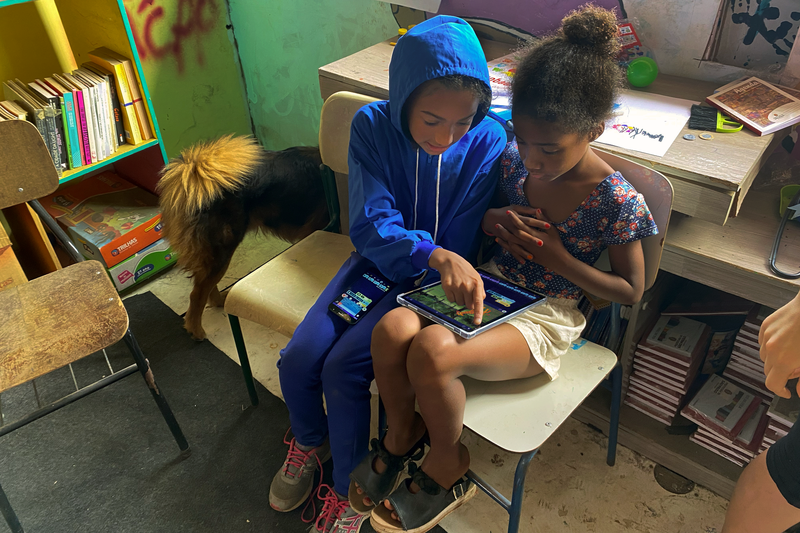
  • A young person helps a friend learn how to code OctoStudio projects in Brazil.

    OctoStudio

    OctoStudio is available for free at octostudio.orgOctoStudio is a free creative coding app that lets you create animations, games, and other interactive projects using photos, drawings, and sounds from the world around you. Use coding blocks to bring your ideas to life. OctoStudio is  available on …

    Lifelong Kindergarten

  • AI + Data Privacy Activities for K-9 Students

    Policymakers, practitioners, and researchers are grappling with some herculean questions regarding kids' safety online. Homemade slime with Doctor Squish, 5-minute crafts, and Minecraft videos: What constitutes “kids content” and how do content-creators convey this effectively? How does YouTube lim…

    Personal Robots

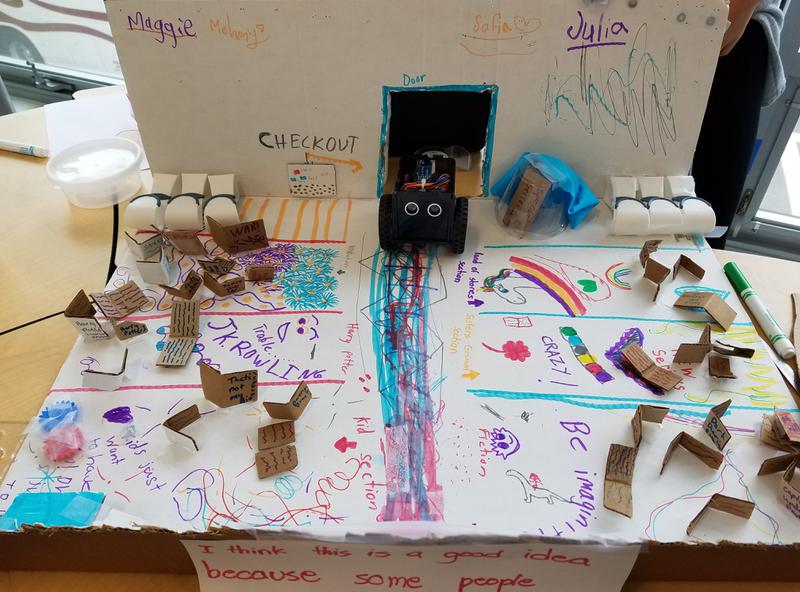
  • Three 10-year old girls developed a robot that could help people with limited mobility use the library more effectively. The robot can process any book title and navigate to the right part of the library to fetch the book.

    How to Train Your Robot

    This project is no longer active, but has been rolled over into MIT RAISE and Day of AI's free curriculum for ages 11 to 18.How to Train Your Robot is a middle school AI curriculum for students in 5-8th grade to explore artificial intelligence and ethics. In this course, students participate in a r…

    Personal Robots

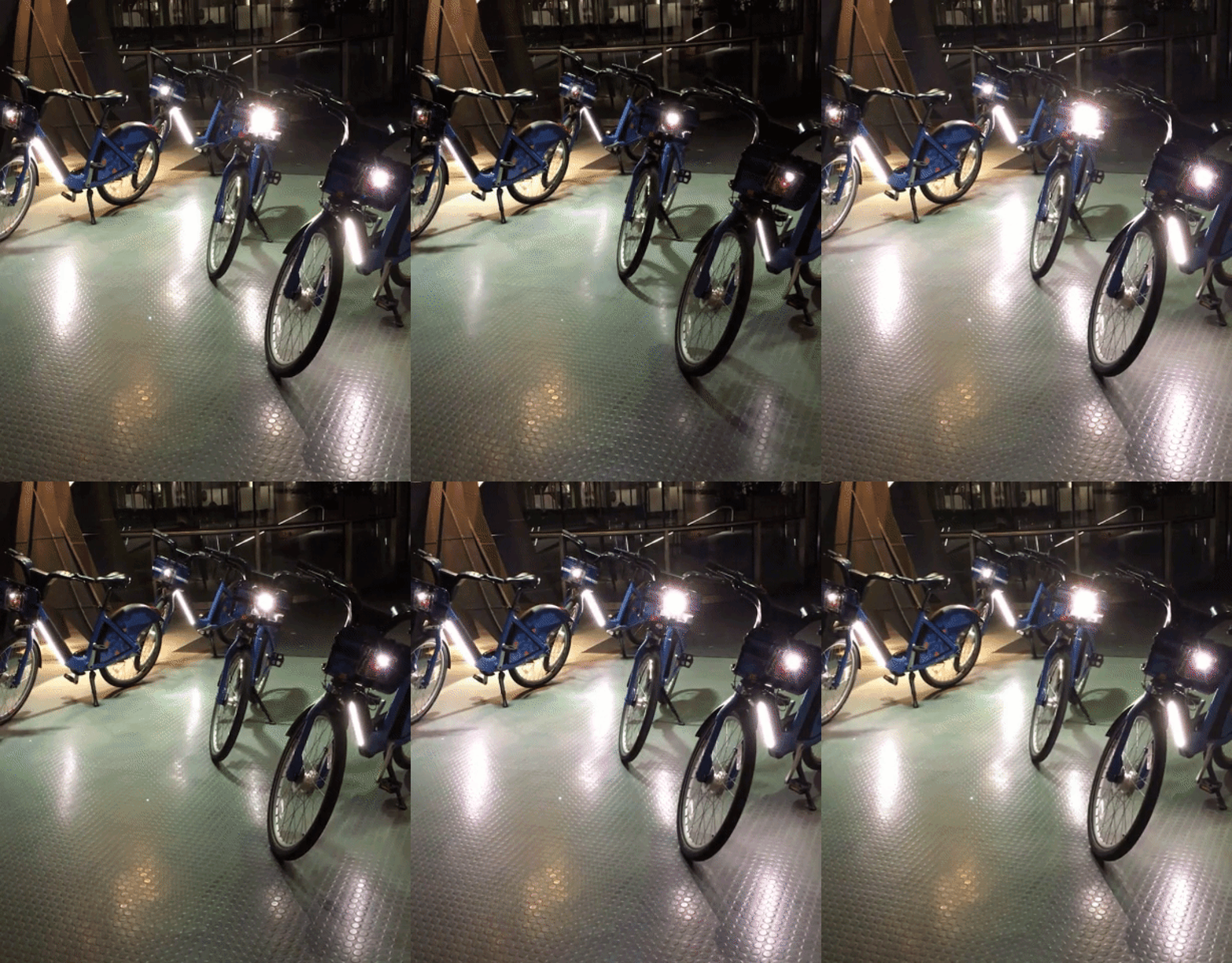
  • [bike] swarm - bikes waiting to ride

    [bike] swarm

    As bikes navigate city streets after dark, they are often equipped with lights. The lights make the bikes visible to cars or other bikers, and the hazards of traffic less dangerous.Imagine that as solitary bikes come together, their lights begin to pulsate at the same cadence. The bikers may not kn…

    City Science

  • Co-Design of Social Robots with Older Adults

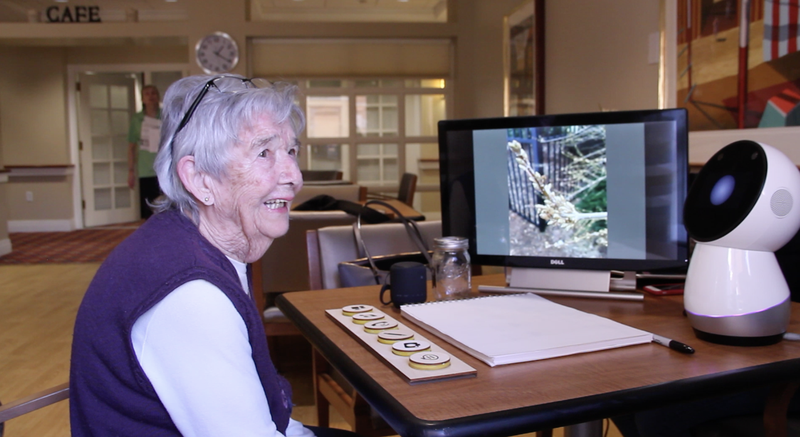
    Social robots equipped with AI and designed with users’ social, emotional, and relational interactions in mind are increasingly being highlighted as a way to enable older adults to age in their homes. However, older adults are often excluded in technology development and, in general, in their discu…

    Personal Robots

  • Children learn creativity from a social robot

    Creativity with Social Robots

    Children’s creativity—the ability to come up with novel, surprising, and valuable ideas—has been known to contribute to their learning outcomes and personal growth. Standardized ways to measure creativity and divergent thinking reported that as children enter elementary school, their creativity slu…

    Personal Robots

  • Engagement with Voice-User Interface Agents

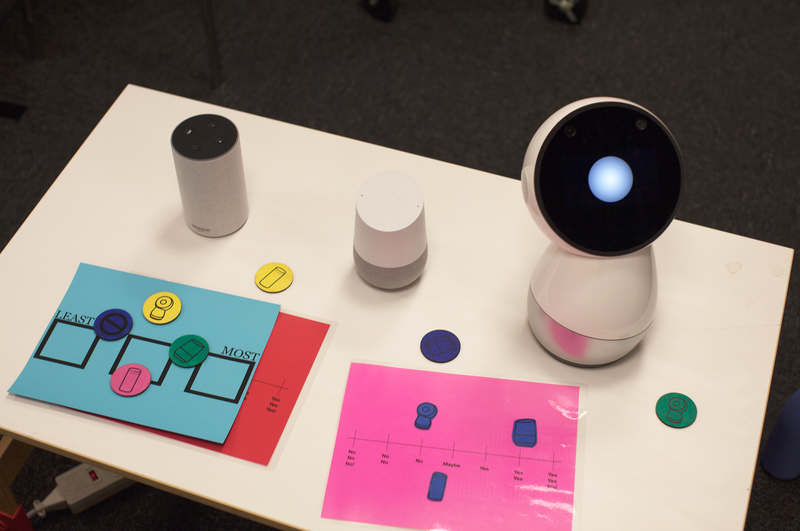
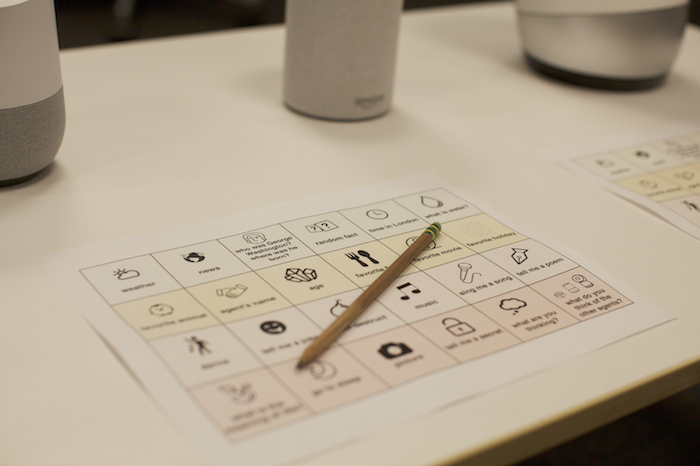
    Voice-user interfaces (VUIs), such as Amazon Echo and Google Home, are increasingly becoming present in domestic environments. Users attribute agency and personality traits to these AI agents. Due to the social attributes of these technologies, users try to understand the agents' characteristics ba…

    Personal Robots

  • Jibo Social Robotic Research Platform

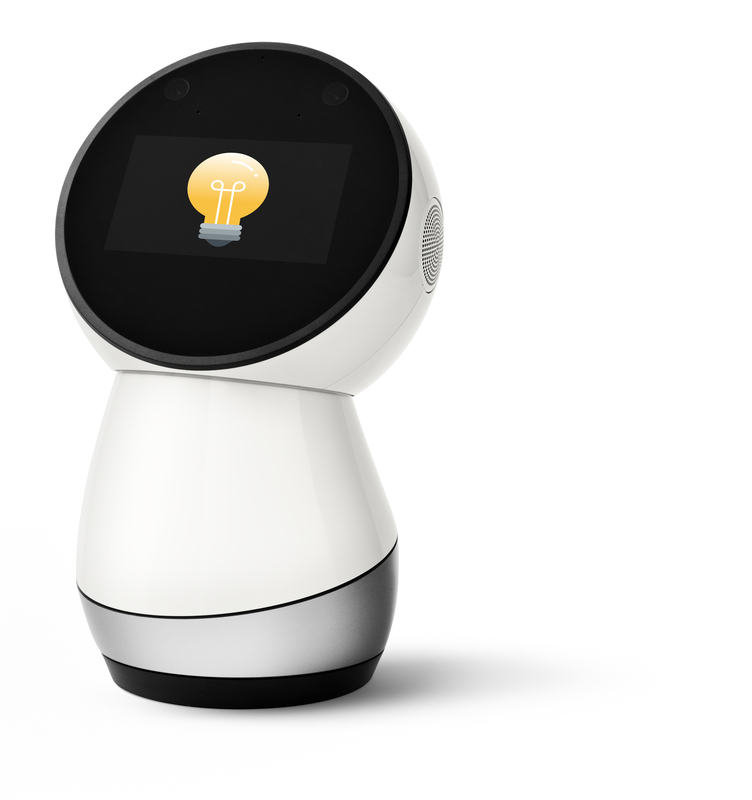
    The Jibo Research Platform is an in-the-field deployable Social Robotics experimentation and data collection infrastructure. Built upon the world's first commercial social robot for the home, it extends Jibo's design, hardware, and data security for research purposes.

    Personal Robots

  • Tools to investigate societal impacts of robots and AI

    Artificial intelligence (AI) agents in an embodied form, such as Jibo, Amazon Alexa, and Google Home, are increasingly becoming part of our daily lives and our homes. While there have been numerous studies in lab settings documenting short-term individual interactions with intelligent agents, we ar…

    Personal Robots

  • RoboChain: A secure data-sharing framework for human-robot interaction

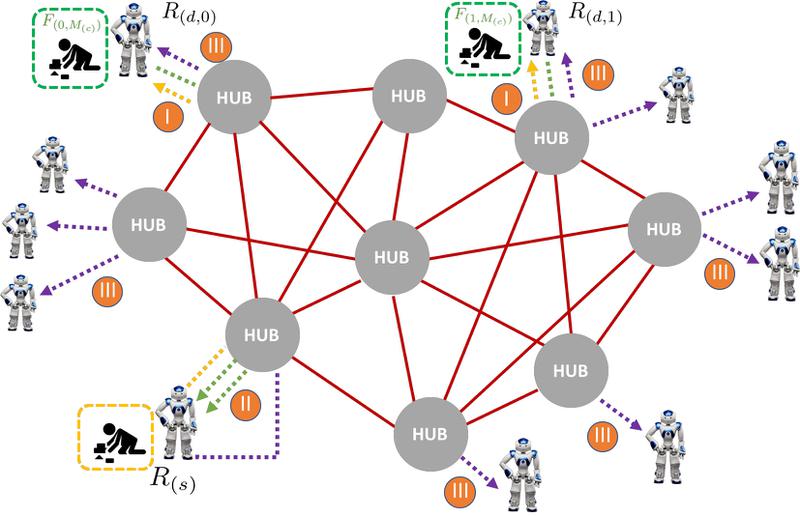
    A learning framework for secure, decentralized, computationally efficient data and model sharing among multiple robot units installed at multiple sites.Robots have potential to revolutionize the way we interact with the world around us. One of their greatest potentials is in the domain of mobile h…

    Human Dynamics

  • Blockchain: A new framework for robotic swarm systems

    Swarms of robots will revolutionize many applications, from targeted material delivery to farming. However, the characteristics that make them ideal for certain future applications, such as robot autonomy or decentralized control, can also be an obstacle when transferring this technology from acade…

    Human Dynamics

  • Talking Machines

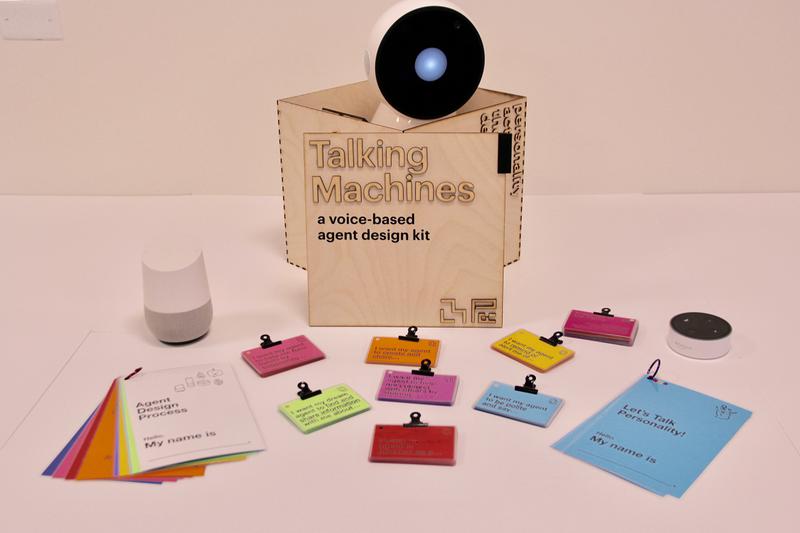
    Talking Machines: Democratizing the design of voice-based agents for the home

    Embodied voice-based agents, such as Amazon’s Echo, Google Home, and Jibo, are becoming increasingly present in the home environment. For most, these agents represent their first experience of living with artificial intelligence in such private and personal spaces. However, little is known about pe…

    Personal Robots

  • Designing social robots for older adults

    Most countries are projected to see the number of people ages 65 and older surpass the population under the age of 15 by 2050. The limitations of current solutions to assisting older adults, the increased social and emotional toll on caregivers, and the inability of institutions to create structura…

    Personal Robots

  • A child playing with the Tega robot!

    Assessing Children's Relationships with Social Robots

    Social robots are increasingly being developed for long-term interactions with children in domains such as healthcare, education, therapy, and entertainment. In prior research, we have seen that children treat robots as more than mere artifacts, e.g., ascribing them mental states, psychological att…

    ML Learning

  • Realtime Detection of Social Cues

    Realtime detection of social cues in children’s voicesIn everyday conversation, people use what are known as backchannels to signal to someone that they are still listening, paying attention, and engaged. As listeners, we smile, nod, and say “uh-huh” to convey attentiveness, and we do this naturall…

    Personal Robots

  • Personalized Interaction for Language Learning

    The process by which children learn native languages is markedly different from the process of learning a second, or non-native, language. Children are typically immersed in their native languages. They receive input from the adults and other children surrounding them, based on immediate need and i…

    Personal Robots

  • Tega and a preschool child exchanges storytelling

    Personalized Robot Storytelling Companion

    Could a social robot collaboratively exchange stories with children as a peer and help improve their linguistic and storytelling skills? We use machine learning algorithms to develop  Companion AI  to make robots learn to be helpful to young learners. Our robots learn actions that improve children'…

    Personal Robots

  • Robot Mindset and Curiosity

    Young Learner's Companion Developing robots' growth mindset and pro-curious behavior and fostering the same in young learners via long-term interactionA growth mindset and curiosity have significant impact on children's academic and social achievements. We are developing and evaluating a novel expr…

    Personal Robots

  • Tega: A New Social Robot Platform

    Tega is a new robot platform designed to support long-term, in-home interactions with children, with applications in early-literacy education from vocabulary to storytelling.

    Personal Robots