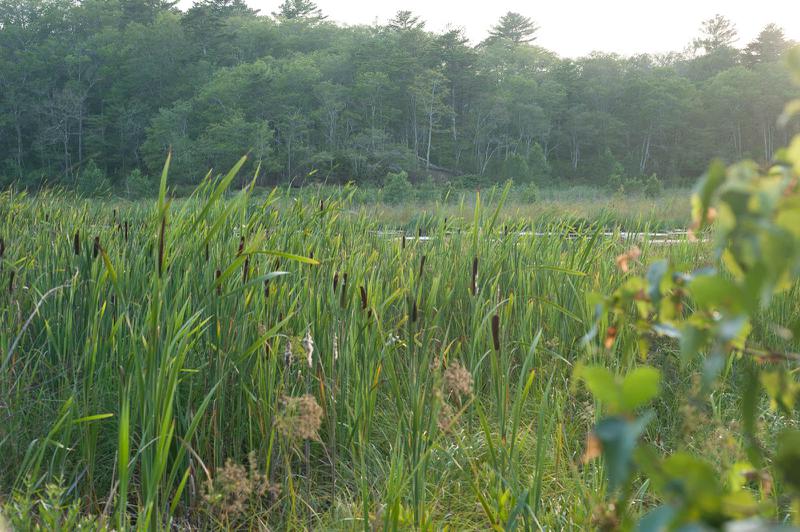
Responsive Environments
Augmenting and mediating human experience, interaction, and perception with sensor networks
Augmenting and mediating human experience, interaction, and perception with sensor networks
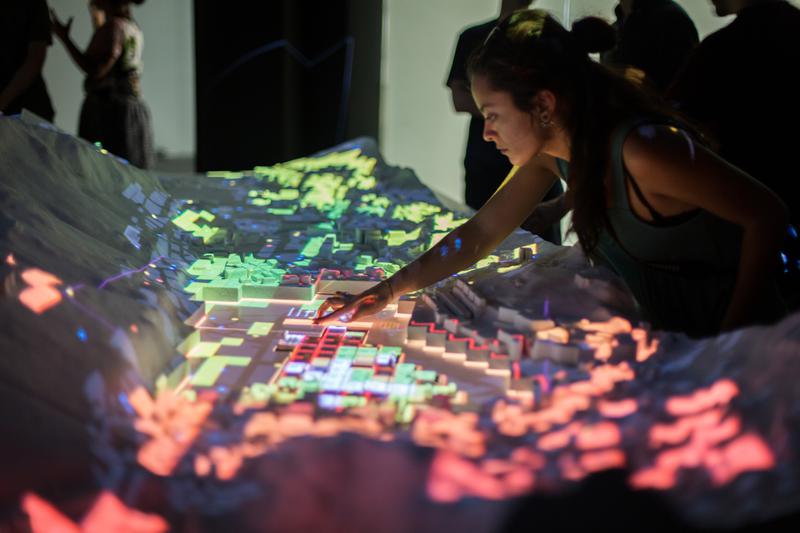
Looking beyond smart cities
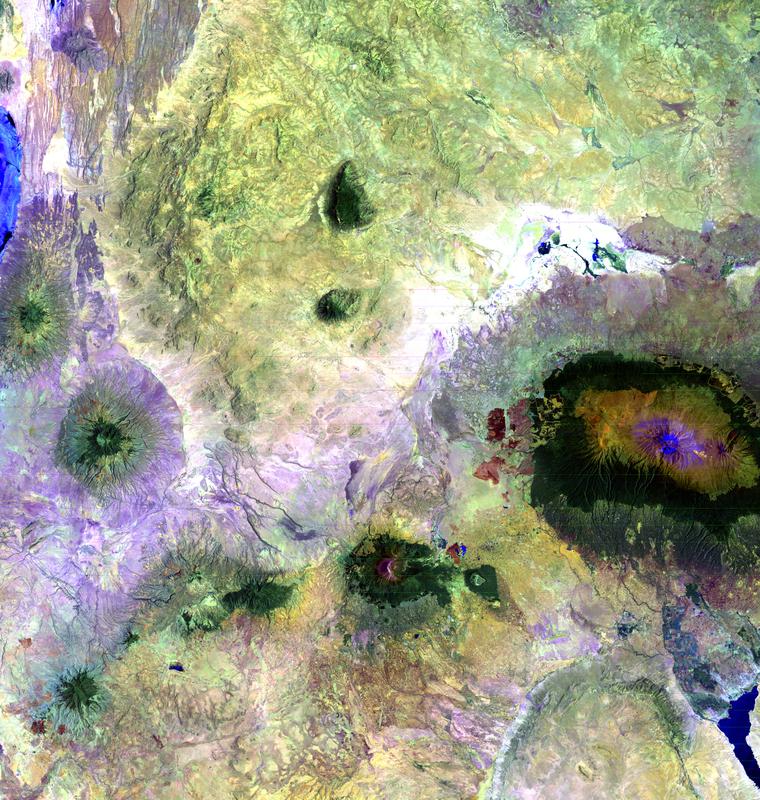
Advancing justice in Earth's complex systems using designs enabled by space
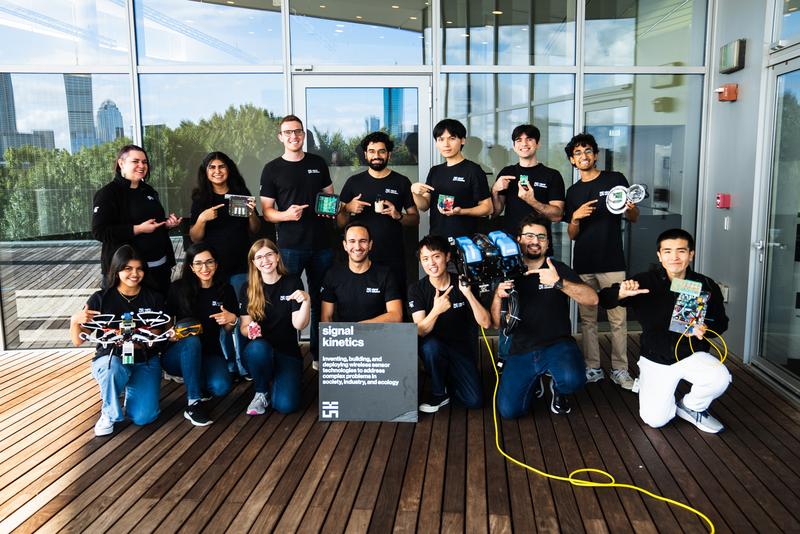
Inventing, building, and deploying wireless sensor technologies to address complex problems in society, industry, and ecology
Exploring the future of music through AI, multisensory expression, creativity, and sonic healing.
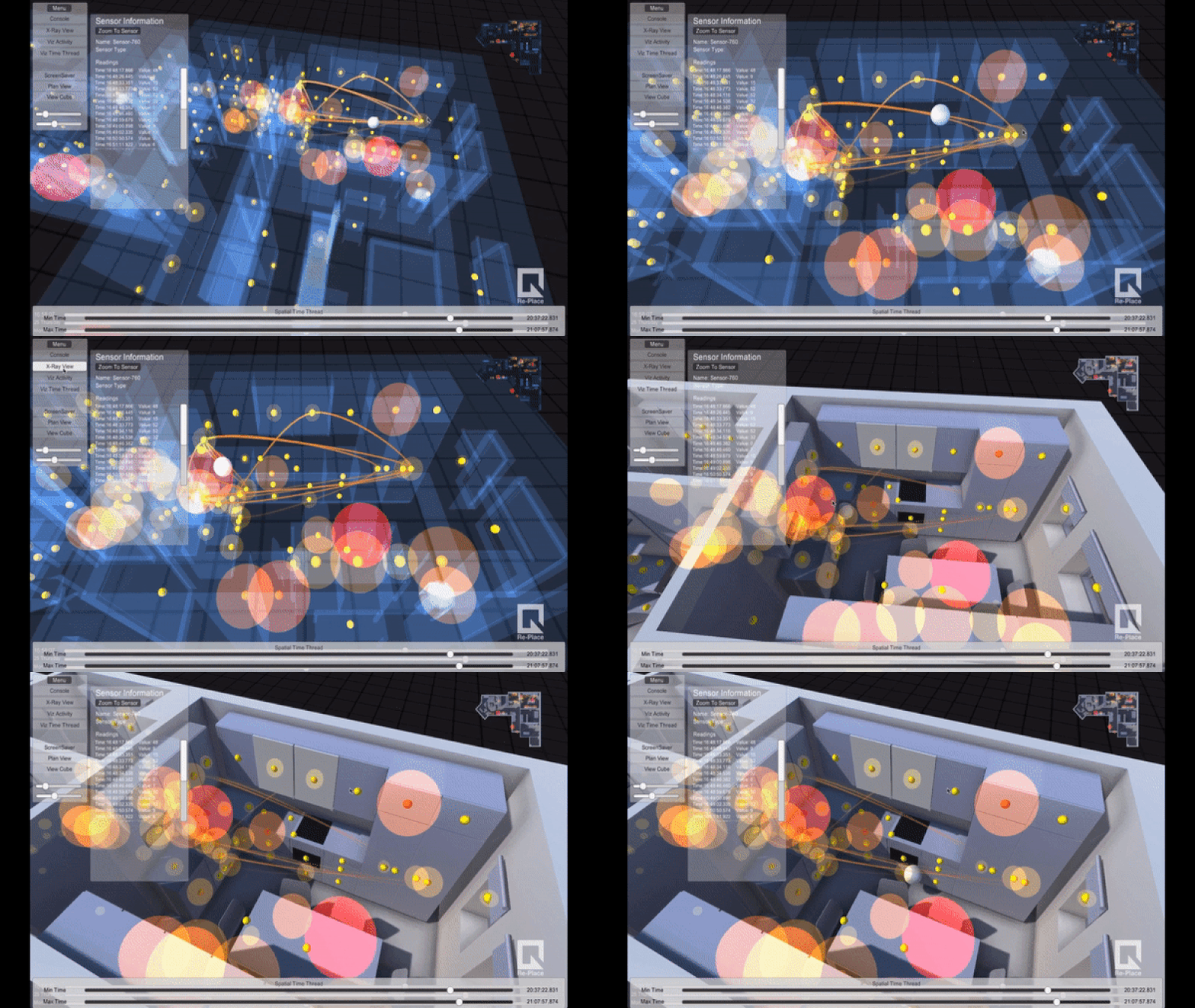
We are developing hyper-efficient places of living that are dynamically transformable so that compact, more affordable spaces have three times the functionality of conventional spaces - alongside sensor platforms to better understand and respond to complex human activity.
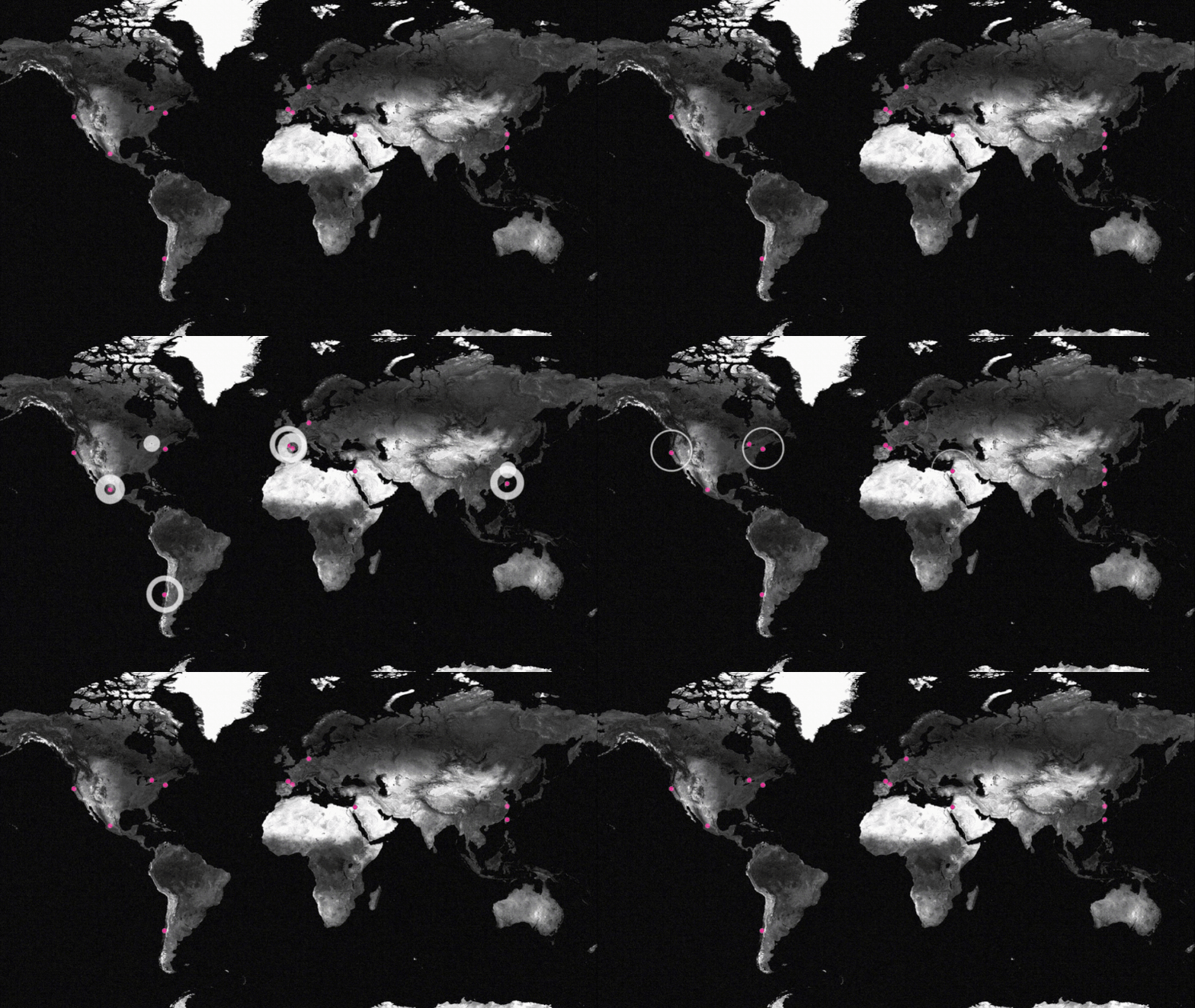
MIT City Science has developed an international network of cooperative City Science LabsFounded a decade ago, the City Science Network connects a growing constellation of sister labs around the world. These labs share a common framework for data analysis, design experimentation, simulation, and civ…

How can we serve 2.5 billion people without access to centralized infrastructure for basic services?By 2050, more than 2.5 billion people are expected to live in informal settlements — communities often built on the margins of cities, beyond the reach of conventional infrastructure. These neighborh…
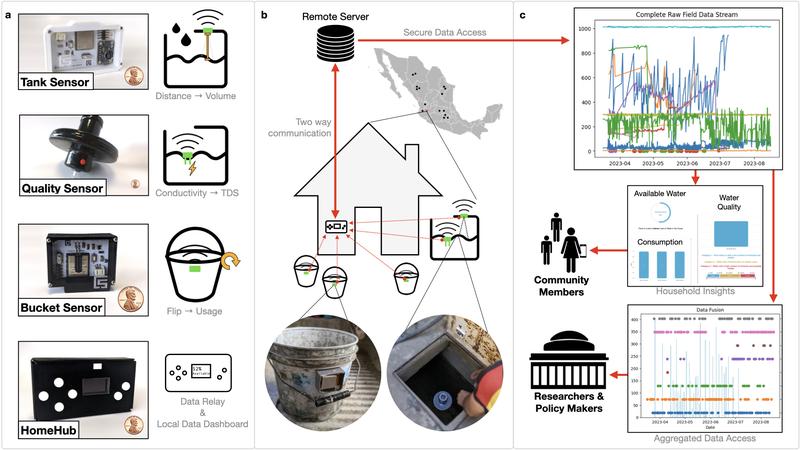

The Power of WITHOUT is a research theme in the City Science group. The theme proposes that heavy infrastructure solutions are not financially feasible and cannot meet the needs of rapidly urbanizing communities. Instead, we must research and propose new lightweight and decentralized solutions to s…
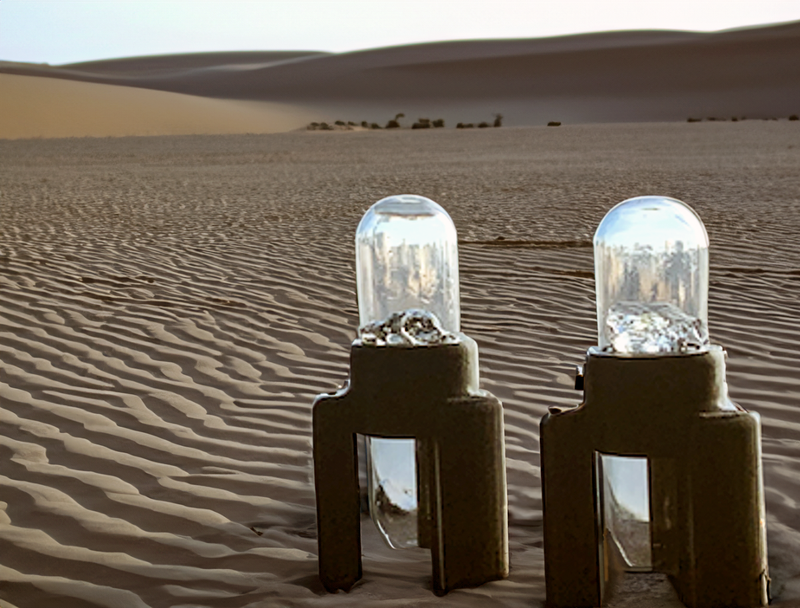
In arid climates, the atmosphere is a source of water, but its extraction is energy-prohibitive.Many countries have arid climates in significant parts of their territory, which severely inhibits their land development and creates harsh humanitarian conditions. Atmospheric water harvesting (AWH) te…

Life with AI | Designing the future of smart systems to improve the human experience
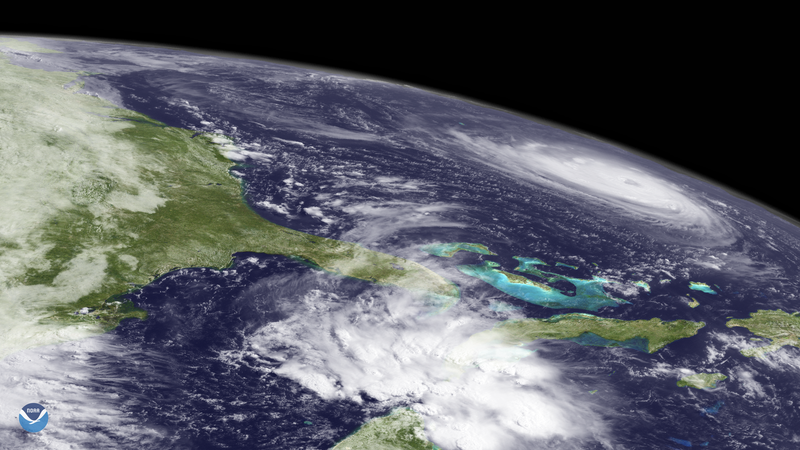
Future Worlds | Design and action for the future we want to live in
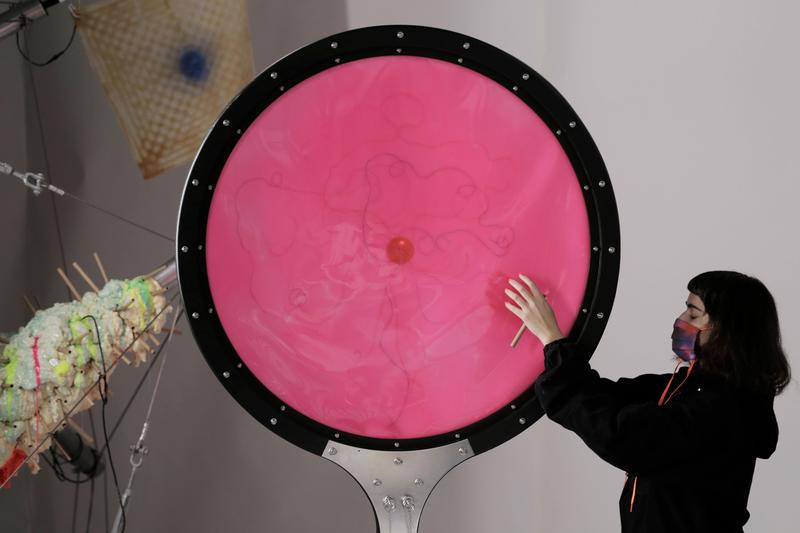
Cultivating Creativity | Catalyzing a global movement enabling everyone to unlock and unleash their individual and collective creativity
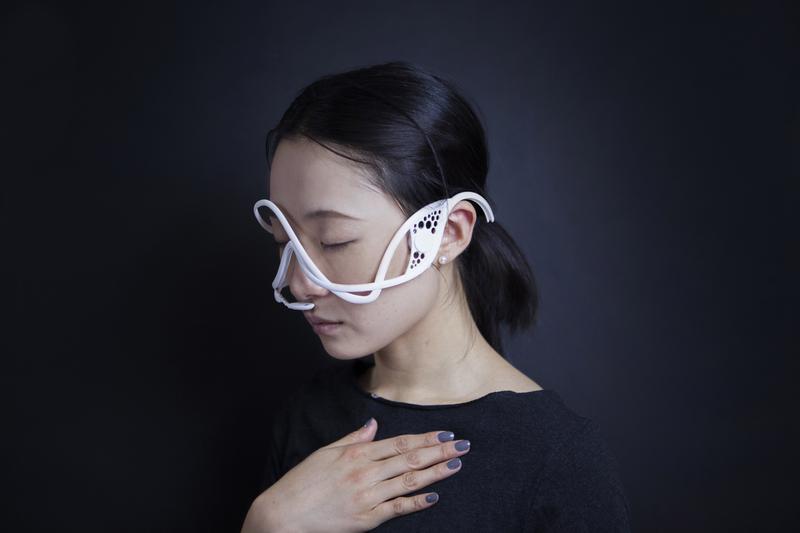
Connected Mind + Body | Revolutionizing the future of mental and physical wellbeing

Professor Tod Machover conducted the world premiere of FLOW Symphony at Seoul Arts Center. Scored for string orchestra and electronics, FLOW Symphony employs a custom AI system (FLOW AI), trained on Machover’s original sounds and music, to both enhance the performance and to create a constantly tra…
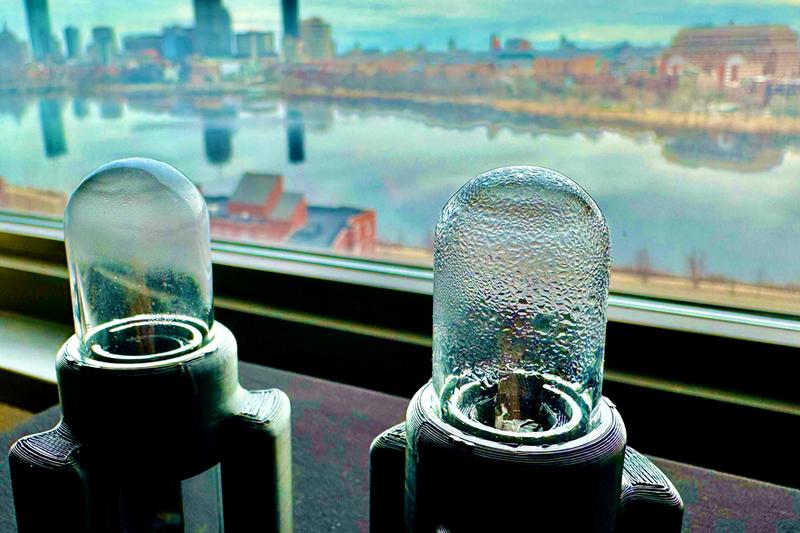
MIT engineers design a system that uses a vibrating ceramic ring to produce clean drinking water from humid air in several minutes.
The system can be paired with any atmospheric water harvesting material to shake out drinking water in minutes instead of hours.
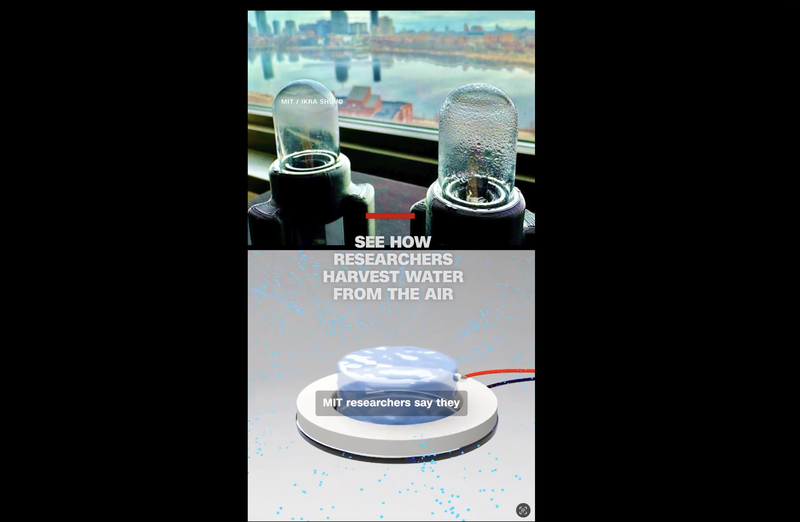
CNN spotlights how MIT researchers developed a new ultrasonic device that can extract clean drinking water from moisture in the atmosphere.

The City Science Lab@Guadalajara is a collaboration with the University of Guadalajara (UdeG), a network composed of 15 campuses within the state of Jalisco, Mexico. The University offers undergraduate and graduate studies to around 130,000 students. With this collaboration, UdeG and MIT aim to und…
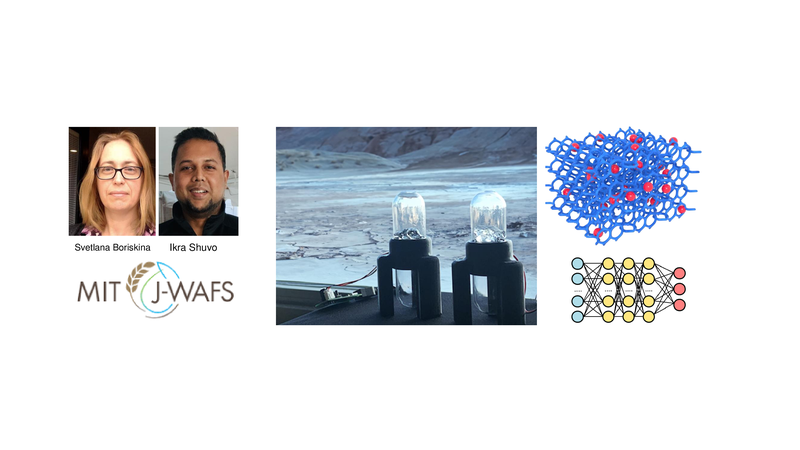
Dr. Boriskina and PhD student Ikra Shuvo receive J-WAFS grant to develop energy-efficient atmospheric water harvesting technology.
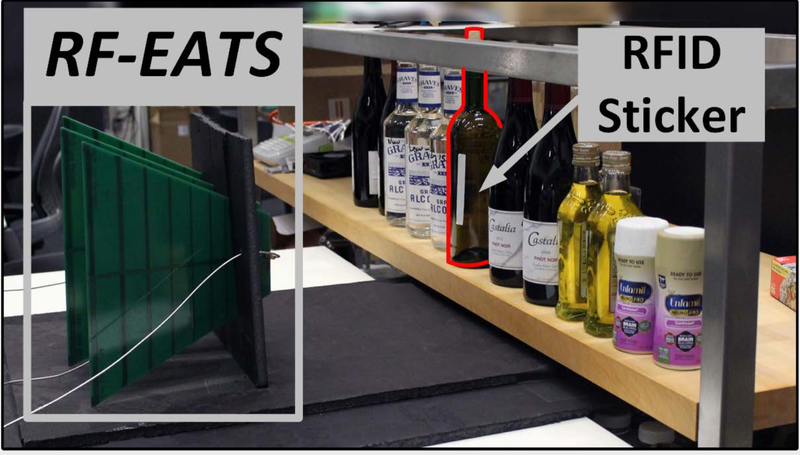
RF-EATS is a new system that can verify the authenticity of food and liquids in closed containers without opening them or requiring any contact with their contents. What kinds of food/liquids can RF-EATS be used to verify?Below are some of the applications for which we have successfully demonstrat…
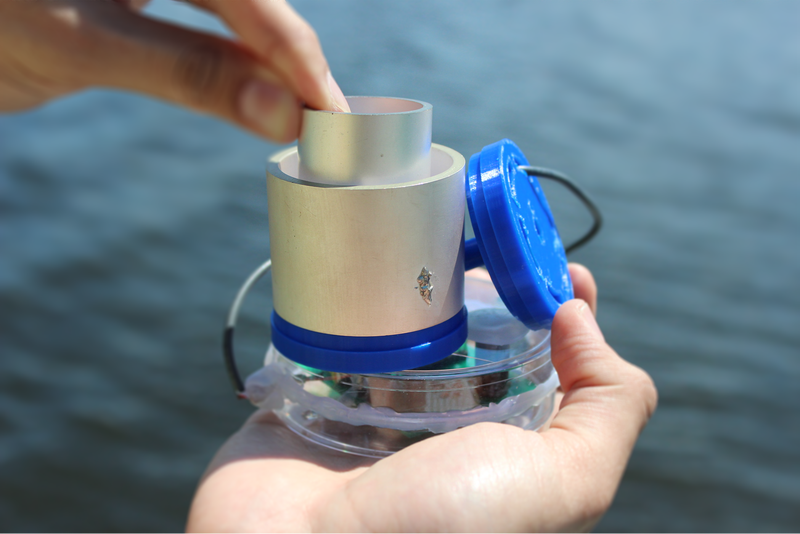
We present the design, implementation, and evaluation of 𝑈2𝐵, a technology that enables scalable ad ultra-low power ocean IoT. At the core of 𝑈2𝐵’s design is a novel metamaterial inspired transducer for underwater backscatter, and algorithms that enable self-interference cancellation and FDMA-base…
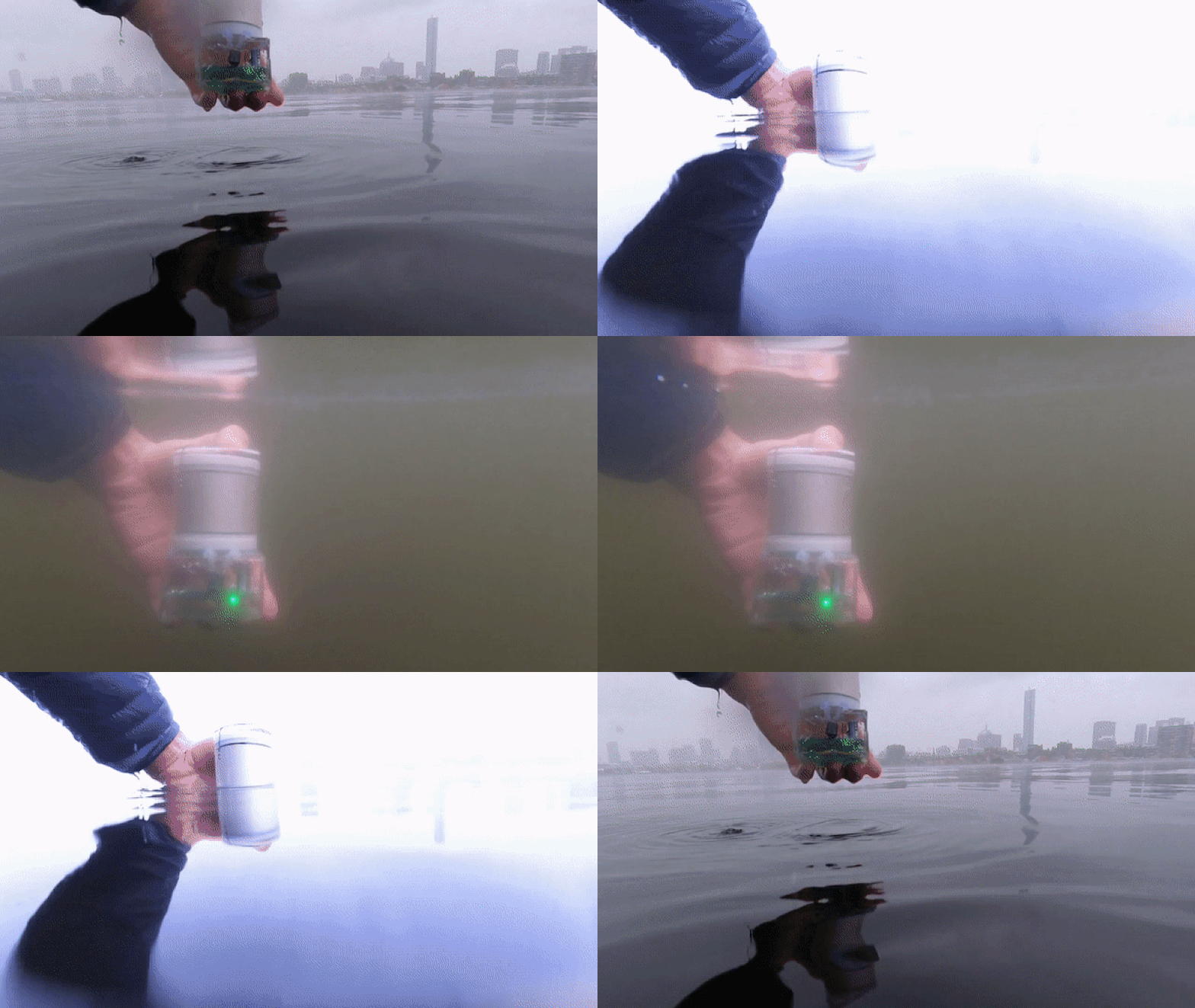
Can we build a battery-free underwater GPS? While underwater localization is a long-studied problem, we seek to bring it to battery-free underwater networks. These recently introduced networks communicate by simply backscattering (i.e., reflecting) acoustic signals. While such backscatter-based co…