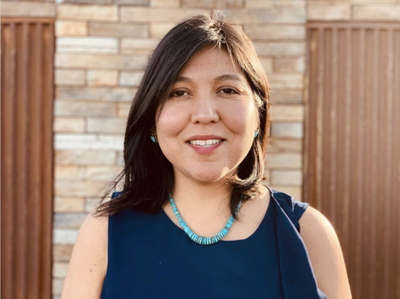
Nonabah Lane, Navajo educator and environmental sustainability specialist with numerous ties to MIT, dies at 46
Lane leaves a lasting legacy at the Institute and on tribal communities around the country.
Lane leaves a lasting legacy at the Institute and on tribal communities around the country.
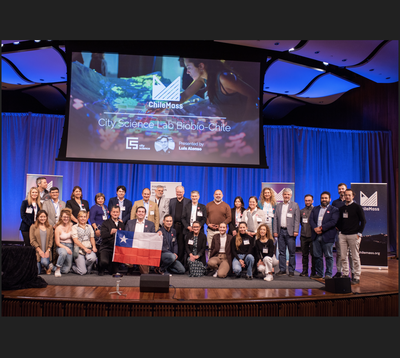
There has been extensive news on this collabotation. For the most recent news on the City Science Lab Biobío, visit their site or instagram:

Sourcemap is a Media Lab spinoff founded by Leo Bonanni, an alum of the Tangible Media group.
From Bitcoin to NFTs, crypto is making headlines. But what exactly is it, and how does it work?
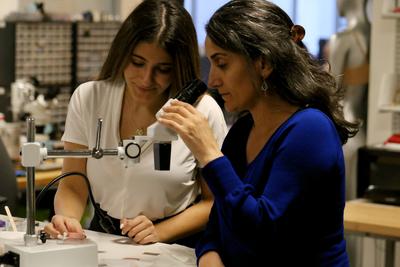
The Laureates and Leaders Program is designed to support highly motivated and talented students in their pursuit of a graduate degree.

There are two main types of fellowships available to MAS graduate students. MIT Administered fellowships, and Direct-Apply fellowships. Please see below for more information about each type. MIT Administered FellowshipsThe MIT administered fellowships may be administered through the Office of Gradu…
Researchers are considering ways to use deepfakes for positive applications, including entertainment, learning, and healthcare.
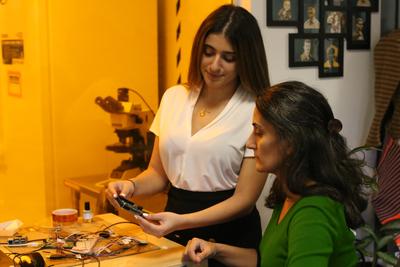
Lara Ozkan (undergraduate researcher in the Conformable Decoders group) was selected as MIT Schwarzman College of Computing’s SERC Scholar.

Space Enabled Affiliate Elena Cirkovic published an article in Elgar Online.
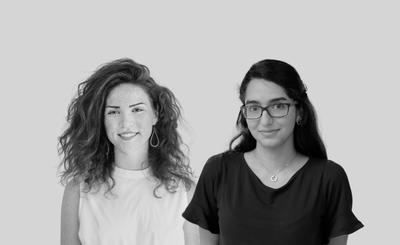
Maggie Hughes is a student in the MIT Center for Constructive Communication, and Tara Boroushaki is a student in the Signal Kinetics group.
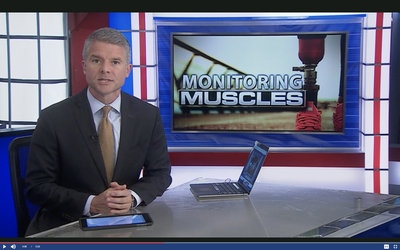
Researchers at MIT are seeking FDA approval to test new technology in people with prosthetic limbs, which could make them easier to control.
Implantable without discomfort, these tiny magnets can provide continuous readings of muscle length for prosthetics and more.

Anastasia Ostrowski, a PhD student in the Personal Robots group, is among five MIT PhD students honored with Amazon fellowships.

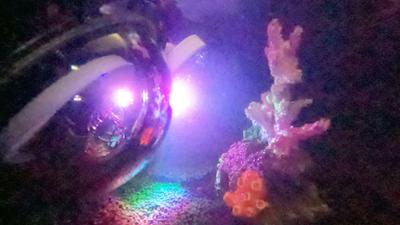
The Signal Kinetics lab's underwater camera project was chosen as a research highlight in the current issue of Nature Electronics
Media Lab researcher Kate Darling looks at the current state of household robots and considers how we may interact with them in the future.
Former Media Lab Professor John Maeda talks to Danielle Newnham about computational thinking and what it takes to cultivate curiosity.
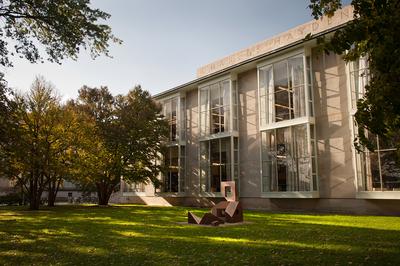
The following winners and honorable mentions include members of the Media Lab community, and were selected from more than 70 nominees.
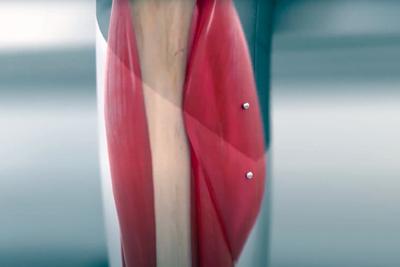
Using a new technology, researchers hope to create better control systems for prosthetic limbs.
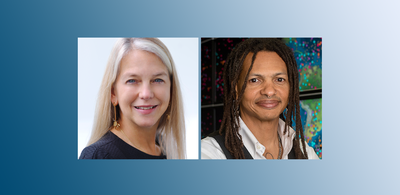
Committee members provide information, advice and recommendations to the FAA and DOT.
Of 25 proposed interventions for democracy tested, one developed by Human Dynamics researchers was among the most effective.
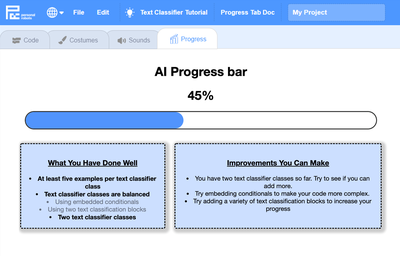
Congratulations to Tejal Reddy, Randi Williams, and Professor Cynthia Breazeal!
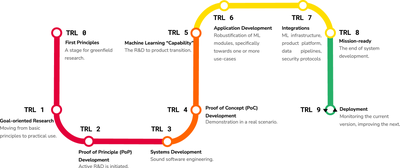
Machine Learning Technology Readiness Levels (MLTRL) apply systems engineering principles to the development of machine learning algorithms.

The system measures biological and environmental changes, and detects contact between the mask and the wearer’s skin.