
MEDIA ALERT: Media Lab Research Joins the Stage — Jordan Rudess + jam_bot: A Human-AI Musical Dialogue
MIT Media Lab's AI music agent jam_bot performs live with Jordan Rudess and the MIT Chamber Chorus at MIT Future Fest, October 3, 2026.
MIT Media Lab's AI music agent jam_bot performs live with Jordan Rudess and the MIT Chamber Chorus at MIT Future Fest, October 3, 2026.

Danielle Wood argues the "launch and leave" model of space design is unsustainable; future missions must plan for cleanup.

MIT Media Lab Assistant Professor developing neural transparency tools to help users understand how AI will behave before deployment.

Human-composed music elicits stronger emotions than AI-generated music, MIT Media Lab finds—even when listeners say they prefer AI

Join MIT Media Lab’s membership program to access cutting-edge research, talent, and innovation shaping tomorrow’s technologies.
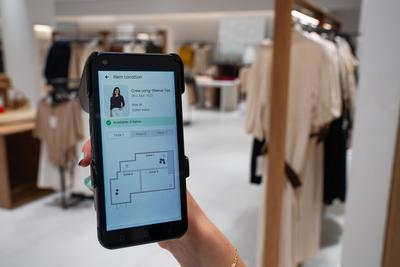
Cartesian, an MIT Media Lab startup, uses RFID to track retail inventory in real-time, now deployed in 700+ stores across 55 countries.

MIT Media Lab celebrates four faculty promotions, July 2026: Dagdeviren, Esvelt, and Wood granted tenure; Fadel Adib to Full Professor

We're so proud of everything you've accomplished here, and can't wait to see what you do next!

MIT Media Lab's Alexandra Rieger created the Chord, an AI-powered instrument that helps stroke patients recover through music and movement.
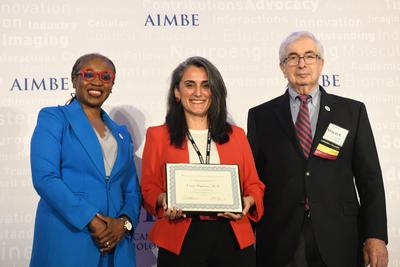
Canan Dagdeviren is inducted into the AIMBE College of Fellows for her pioneering work in wearable ultrasound technologies.

MIT Media Lab turns consumer LiDAR into an around-the-corner camera, imaging hidden 3D objects for under $100 with no special calibration.

MIT Media Lab welcomes NEC as a new member to advance human-centered AI, innovation, and real-world impact.
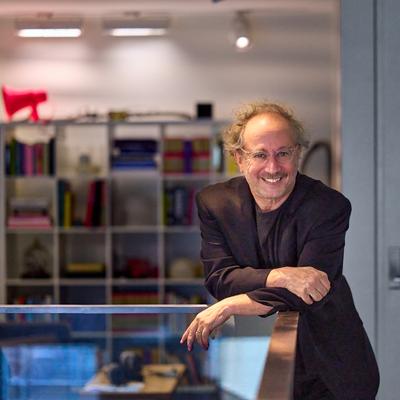
Tod Machover will receive the George Peabody Medal, the highest honor bestowed by the Peabody Institute of Johns Hopkins.
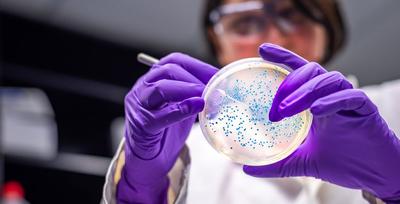
MIT Media Lab wins $1M grant to launch the first Cloud Laboratory for Learning, making hands-on biotech education accessible to all online.
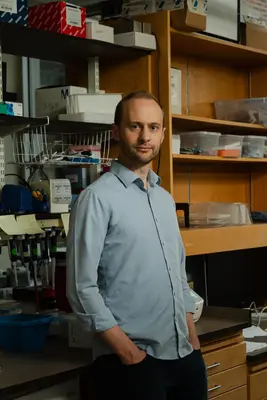
The New York Times highlights Kevin Esvelt's findings on dangerous biological information generated by leading AI chatbots.

Jessica Rosenworcel explains how MIT Media Lab and WHx use AI, sensors, and wearables to advance women’s health care.
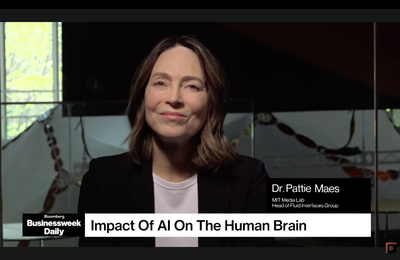
In a Bloomberg Businessweek interview, Pattie Maes, head of the Fluid Interfaces group, said AI should augment cognition, not replace it.
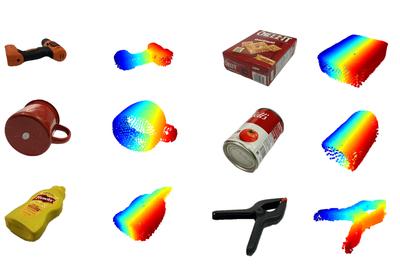
With this new technique, a robot could more accurately detect hidden objects or understand an indoor scene using reflected Wi-Fi signals.
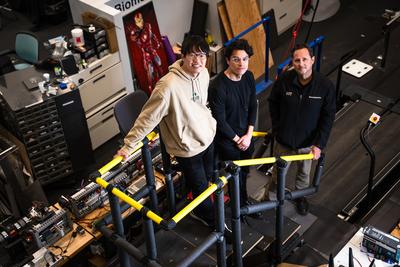
A new biohybrid system developed at MIT is the first living implant that uses rewired nerves to revive paralyzed organs.

Rosalind Picard, head of Affective Computing group, comments on the growing emotional role of AI—and the risks it brings.

International Women’s Day: MIT Media Lab’s WHx program explores how technology and research can improve women’s health worldwide.

Congratulations to Ayat, Eitan, and Ila on receiving this fellowship!
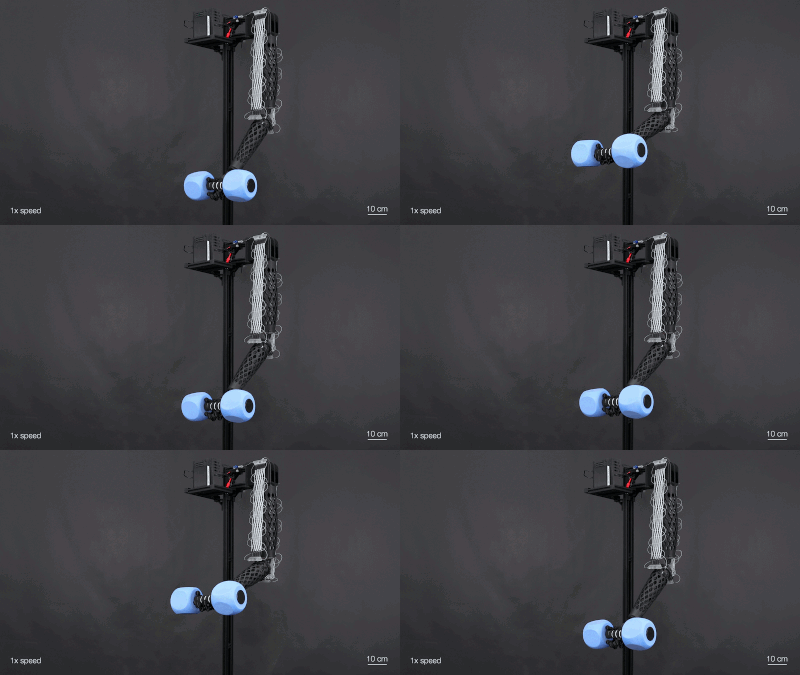
MIT researchers develop electrically driven artificial muscle fiber for soft robotics and prosthetics: compact, powerful, efficient systems
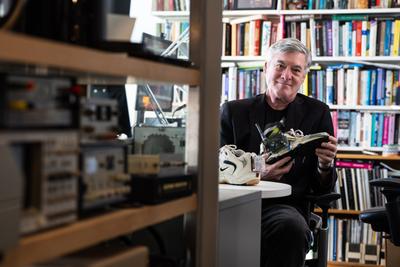
Joseph Paradiso’s sensing research at MIT Media Lab bridges art, medicine, and ecology through wearable sensors and environmental monitoring