Markus ElKatsha: A more connected and collective world where data is the common language
Markus ElKatsha speaks during the Zaojiu Festival of Thinkers on May 20, 2018 at Tongji University, Jiading Campus in Shanghai.
Markus ElKatsha speaks during the Zaojiu Festival of Thinkers on May 20, 2018 at Tongji University, Jiading Campus in Shanghai.
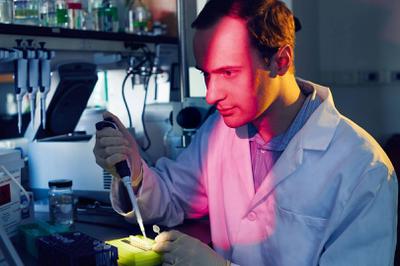
An MIT research team is using supercomputers to help develop a drug to treat the disease caused by the novel coronavirus.

Here's my take on the future of textiles, as well as the connection between research and manufacturing.
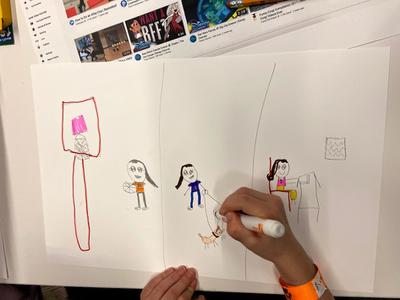
This is a unique time to engage and teach children about the benefits and limitations of technology.
“Data scientists and visualization designers need to take their civic role very seriously in a pandemic,” says the MIT assistant professor.
From improving your mood to focusing your creativity, scientists at MIT’s Dream Lab want to prove the power of dreams.
To help explain how this works is Ramesh Raskar, an associate professor at MIT’s Media Lab.

A multinational team develops new tools to slow the spread of pandemics.
The app is designed to let people discover if they've crossed paths with someone who's been infected with COVID-19.
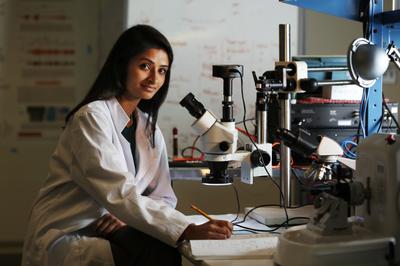
Shriya Srinivasan has been selected as one of 22 Schmidt Science Fellows for 2020.
A system that enables smartphones to transmit “chirps” to nearby devices could notify people if they have been near an infected person.
Coming shows involve artificial intelligence, but underlying them is a concern: “What are we unleashing?”
Researchers are racing to achieve the benefits of location-tracking without the surveillance.
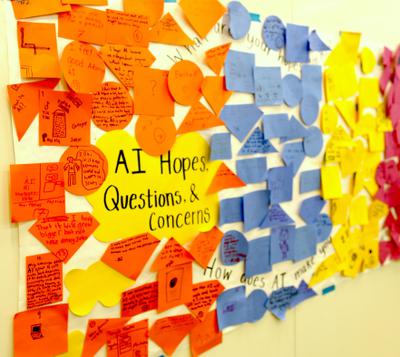
New website offers a combination of learning units, hands-on activities, and mentor guides to foster AI literacy.
Kate Darling returns to StarTalk Radio with Neil deGrasse Tyson and Chuck Nice to answer questions about the ways humans relate to robots.
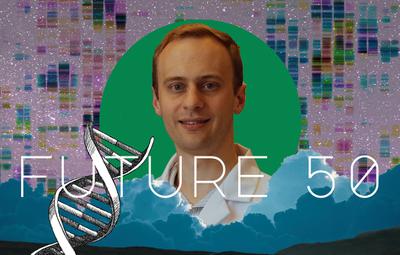
Kevin Esvelt has been named as one of the Inverse Future 50, “a group of 50 people who will be forces of good in the 2020s.”
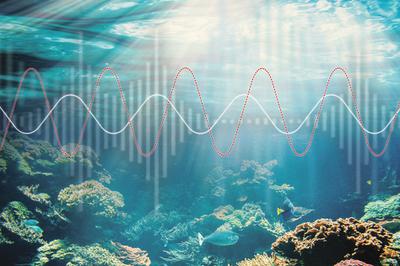
Team Pulse of the Ocean becomes an Explorer Prize winner in the DISCOVER Competition—the first stage of the Ocean Observing Prize.

Regular research updates from the Media Lab
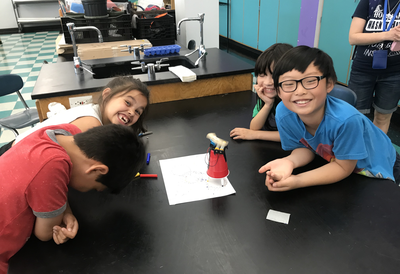
We understand that now, more than ever, the democratization of online learning is crucial to the success of students all around the world.
How biologist Kevin Esvelt came to know the planet, in his own words.
Esvelt's career has gone from straight science into ethics and safety.
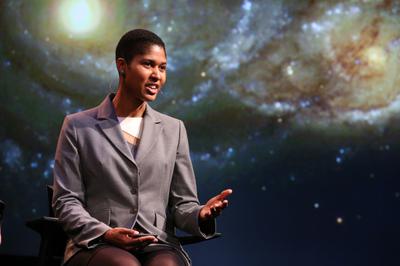
"Space belongs to all countries—every country deserves equal opportunities to pursue scientific achievement for societal benefit."
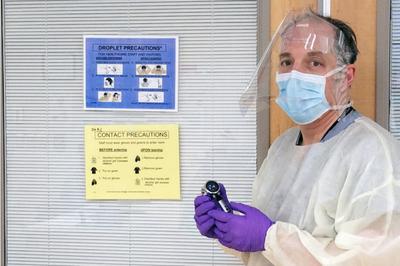
A team from MIT has designed disposable face shields that can be mass produced quickly to address hospitals’ needs nationwide.
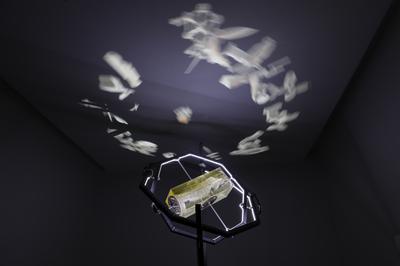
Thom Kubli, in collaboration with the Tangible Media group, on the development of a machine that can 3D print objects light enough to float.